

Florence Welch: Music, recent work and cultural influence
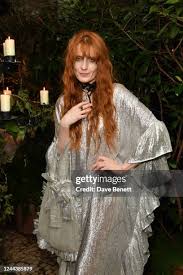
Why Florence Welch matters
Florence Welch, best known as the lead singer of Florence + The Machine, is one of the most distinctive voices in contemporary British music. Her combination of dramatic vocals, baroque-pop arrangements and theatrical live performances has sustained wide critical attention and a dedicated fanbase since the late 2000s. Coverage of Welch remains relevant as she continues to shape indie and pop music trends, tour internationally and influence younger artists.
Main developments and background
Career highlights
Florence Welch emerged in the late 2000s with Florence + The Machine, a London-based project that quickly gained prominence. The band’s debut album, Lungs (2009), introduced hits such as “Dog Days Are Over” and established Welch’s reputation for powerful, emotive singing. Subsequent releases — Ceremonials (2011), How Big, How Blue, How Beautiful (2015), High as Hope (2018) and Dance Fever (2022) — have continued to blend folk, soul and art-pop influences.
Recent work
Her most recent studio album, Dance Fever (2022), received attention for its dramatic instrumentation and themes of transformation and resilience. Since that release, Welch has maintained a presence through live performances, festival appearances and interviews discussing her creative process. Her live shows are frequently noted for their energy and theatrical staging, reinforcing her status as a compelling live performer.
Impact and public profile
Welch’s artistry is often cited for its literary and mythic qualities, with lyrics and arrangements that draw on personal experience and broader cultural motifs. She has been open in conversations about mental health, creativity and the pressures of public life, adding depth to public perceptions of her work. This engagement has made her a prominent figure both musically and culturally.
Conclusion — what to expect next
Florence Welch is likely to remain a central figure in alternative pop and indie music. Fans and observers can expect further recordings, collaborative projects and live appearances as she builds on the momentum of Dance Fever. For readers, Welch’s ongoing career offers a window into contemporary songwriting that merges theatricality with personal storytelling, and her work will continue to influence emerging artists and festival line-ups in the years ahead.