

Magnitude 6.5 Earthquake Rattles Southern and Central Mexico
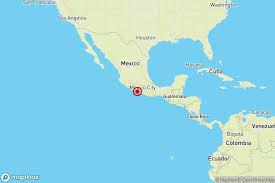
Strong Earthquake Strikes Guerrero State
A strong earthquake registered as M6.5 struck Guerrero, Mexico, at 13:58 UTC (07:58 local time) on January 2, 2026. The earthquake’s epicenter was near the town of San Marcos in the southern state of Guerrero near the Pacific coast resort of Acapulco, with a depth of 35 km (21.7 miles).
Impact and Response
The strong earthquake rattled southern and central Mexico on Friday, interrupting President Claudia Sheinbaum’s first press briefing of the new year as seismic alarms sounded. Sheinbaum was speaking in Mexico City when earthquake alarms sounded, noting the ground was shaking beneath her before calmly evacuating alongside journalists, and resumed the press conference shortly afterward.
240,000 people are estimated to have felt strong shaking, 967,000 moderate, 3,598,000 light, and 937,000 weak. There were no immediate reports of injuries or serious damage in Guerrero, according to President Sheinbaum and the state’s governor.
Mexico’s Seismic Vulnerability
Mexico sits in one of the world’s most seismically active zones, where multiple tectonic plates converge along the Pacific coast. The country experiences frequent earthquakes due to its location on the Pacific Ring of Fire, making seismic preparedness a vital component of public safety infrastructure. The rapid activation of seismic alarms during today’s earthquake demonstrates the effectiveness of Mexico’s early warning systems, which have been developed over decades following devastating historical earthquakes.
Ongoing Monitoring and Significance
The USGS issued a Yellow alert for shaking-related fatalities and a Green alert for economic losses, indicating potential for limited casualties but minimal economic impact. This earthquake serves as a crucial reminder of Mexico’s ongoing seismic risks and the importance of maintaining robust emergency response systems. As authorities continue monitoring the situation, residents across affected regions remain vigilant for potential aftershocks, which commonly follow earthquakes of this magnitude.