

Understanding Earthquakes: Recent Activity and Essential Safety Measures
The Ongoing Seismic Reality
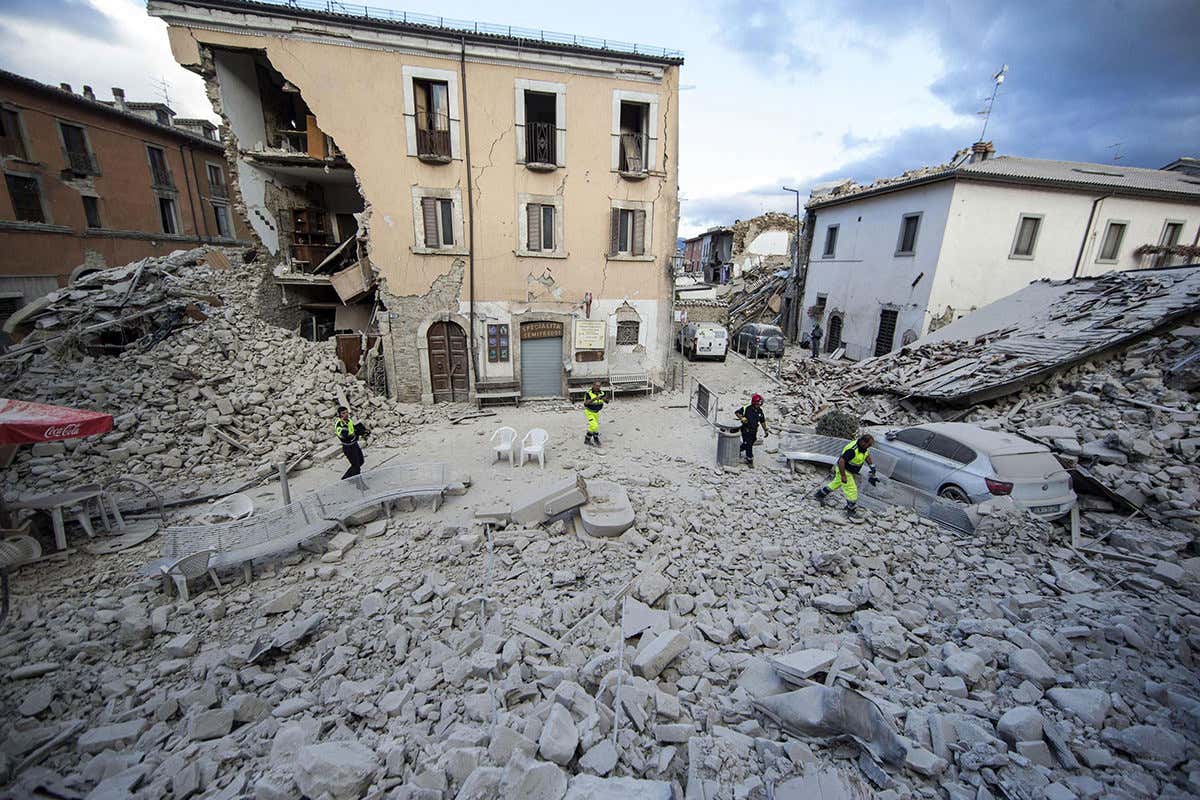
Earthquakes remain one of nature’s most unpredictable and devastating forces, affecting communities worldwide with little warning. Recent seismic activity has reminded us of the urgent need for preparedness and awareness. A 6.0 magnitude earthquake rocked Alaska early Thursday morning, according to the U.S. Geological Survey. Meanwhile, the earthquake, with an upgraded magnitude of 6.9 and depth of 20 kilometers — or about 12 miles — struck off the coast of Iwate prefecture in Japan, triggering tsunami advisories along the northern coast.
Even technological systems designed to protect us can experience challenges. Phones buzzed in the Bay Area shortly after 8 a.m. Thursday with an urgent call to drop, cover and hold for a 5.9 magnitude earthquake in Nevada, just east of Lake Tahoe — an earthquake that never happened. This false alarm highlighted both the sophistication and occasional vulnerabilities of early warning systems.
Understanding Earthquake Risks
Earthquakes are sudden, often unpredictable natural events caused by the shifting of tectonic plates. They can cause significant damage, injury, and loss of life. Alaska experiences more earthquakes than any other region in the U.S., according to the Alaska Seismic Hazards Safety Commission. The state’s location at the junction of two tectonic plates makes it particularly vulnerable to seismic activity.
In California, earthquake clusters continue to occur. Around 90 small earthquakes have struck near San Ramon in the East Bay this month. It’s at least the sixth time a series of tiny quakes has lit up that area since 1970, including the most recent swarm back in 2015.
Essential Preparedness Measures
Preparing for earthquakes can save lives and reduce property damage. Make a supply kit that includes enough food and water for several days, a flashlight, a fire extinguisher and a whistle. Experts now recommend being prepared for extended periods, as the state recently revised this guidance to recommend two weeks of supplies after Cascadia Rising exercises demonstrated that assistance would require days rather than hours to reach affected populations.
During an earthquake, immediate action is crucial. Wherever you are, drop down to your hands and knees and hold onto something sturdy. Cover your head and neck with your arms. If a sturdy table or desk is nearby, crawl underneath it for shelter. This ‘Drop, Cover, and Hold On’ protocol has been endorsed by rescue teams worldwide as the most effective method for minimising injuries.
Looking Forward: Building Resilience
Being proactive in earthquake preparedness can save lives and reduce the impact of these natural disasters. By educating yourself, creating a solid emergency plan, securing your home, and involving your community, you can ensure greater safety for yourself and those around you. As seismic activity continues globally, investing time in preparation today can make the critical difference when the ground begins to shake tomorrow.