

Aurora Borealis Forecast: How to Predict and Catch the Northern Lights
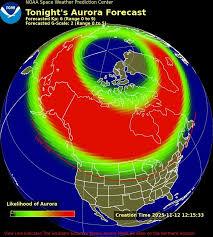
Understanding Aurora Borealis Forecasts
The ability to predict the northern lights has become increasingly sophisticated, allowing sky-watchers worldwide to plan their aurora-hunting adventures with greater confidence. Scientists and astronomers have predicted that 2025 will coincide with a solar maximum, marking a period of increased solar activity and storms, making this an exceptional year for aurora viewing.
The OVATION model provides a 30 to 90 minute forecast of the location and intensity of the aurora, offering near real-time predictions that help enthusiasts know exactly when to look skyward. These forecasts rely on data from satellites positioned approximately one million miles from Earth, monitoring solar wind conditions before they reach our planet.
Key Forecasting Tools and Technologies
Aurora forecasts rely on the Kp index as an indicator of the auroral oval size, with higher Kp numbers indicating more intense geomagnetic activity. A high-speed solar wind stream from a coronal hole and incoming coronal mass ejections (CME) are forecast to hit Earth, creating opportunities for aurora displays at lower latitudes than usual.
The OVATION model is based on solar wind velocity and interplanetary magnetic field measurements, providing colour-coded probability maps showing where auroras are most likely to appear. When conditions intensify, green ovals turn red when the aurora is forecasted to be more intense.
Maximising Your Aurora Viewing Success
Successful aurora hunting requires more than just checking forecasts. Find a north-facing vantage point with a clear view of the northern horizon, as far from light pollution as possible, and use your phone camera to scan the sky, as cameras often detect faint auroras before the naked eye.
Places like Fairbanks, Alaska; Yellowknife, NWT; Reykjavik, Iceland; and Tromsø, Norway all offer a good chance to view the aurora overhead. However, during periods of enhanced solar activity, auroral ovals can expand when geomagnetic activity is enhanced, bringing sightings of aurora to lower latitudes.
Looking Ahead: The Future of Aurora Forecasting
As technology advances, aurora forecasting continues to improve. Multiple agencies including NOAA’s Space Weather Prediction Center and various aurora alert apps provide real-time notifications, ensuring enthusiasts never miss a spectacular display. With 2025’s solar maximum creating favourable conditions, now is the perfect time to explore these forecasting tools and witness one of nature’s most magnificent phenomena.