

Aurora Northern Lights Illuminate Skies Across America in Unprecedented Solar Storm Events
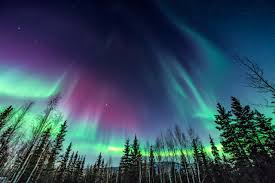
Solar Maximum Brings Spectacular Aurora Displays to Unusual Locations
The aurora borealis, commonly known as the northern lights, has captivated sky-watchers across the United States throughout late 2025, with sightings as far south as parts of Florida and Alabama. This remarkable celestial phenomenon has become increasingly frequent as the sun reaches the peak of its 11-year cycle, therefore reaching its solar maximum.
In recent weeks, multiple powerful geomagnetic storms have brought these ethereal light displays to millions of Americans. On Tuesday night, sky watchers across the U.S. were treated to a phenomenal aurora display, the product of a severe geomagnetic storm triggered by a recent burst of solar activity. The spectacular event allowed observers in states including Indiana, New Jersey, northern California, Texas and even Florida to witness the dancing lights typically reserved for polar regions.
Understanding the Science Behind Recent Aurora Activity
The activity was the result of coronal mass ejections (CMEs), massive blasts of plasma and magnetic field from the sun’s outer atmosphere that grow in size as they hurtle towards Earth. When these charged particles interact with our planet’s magnetic field, they create stunning displays of colour in the upper atmosphere.
The intensity of recent events has been remarkable. The severe (G4) geomagnetic storm reached level 4 out of 5 on the NOAA Space Weather Scales, just below the extreme (G5) threshold. This severity explains why the northern lights were visible across such an expansive geographical area, with the aurora borealis seen across the continental U.S., including states like Texas, Arizona and even parts of Mexico.
What This Means for Future Aurora Viewing Opportunities
The increased frequency of aurora sightings isn’t likely to diminish soon. Stronger solar storms mean a higher chance of auroras dipping farther south than usual, and states may see more frequent aurora events through 2025–2026, especially during powerful geomagnetic storms. Most recently, northern lights were expected to dazzle skies across 15 U.S. states on the nights of December 3-4, 2025, triggered by a high-speed solar wind and an incoming coronal mass ejection.
For those hoping to catch these magnificent displays, experts recommend finding dark locations away from light pollution with clear northern horizons. Interestingly, smartphone cameras often capture aurora colours more vividly than the naked eye, making them valuable tools for aurora hunters. As solar activity remains elevated during this solar maximum period, residents across the United States should remain alert for aurora viewing opportunities that would have been unthinkable just a few years ago.