

Winter Solstice 2024: Understanding the Shortest Day of the Year
The Arrival of the Shortest Day
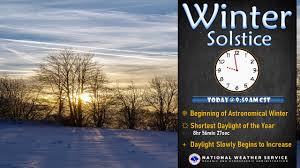
The winter solstice arrives on Saturday, 21 December 2024, marking the official start of winter and the shortest day of the year in the Northern Hemisphere. For those north of the equator, the solstice marks the shortest day and longest night of the year. This astronomical event occurs at a precise moment—4:21 a.m. EST on 21 December—when the sun reaches its most southerly point in the sky.
The Science Behind the Solstice
During the winter solstice, the sun will be at its lowest noontime point in the sky because the northern half of the Earth is tilted its farthest away from the sun due to the planet’s axis. The solstice actually lasts just a moment rather than an entire day. The Northern Hemisphere will see less than 12 hours of daylight whilst the southern half of the Earth experiences daylight longer than 12 hours.
This is the point when the shortening of daylight hours is reversed and the daytime begins to lengthen again. Each day after the solstice brings one minute more of sunlight, and after just two months, we’ll be seeing about an hour more of sunlight.
Cultural and Historical Significance
Since prehistory, the winter solstice has been a significant time of year in many cultures and has been marked by festivals and rites. Ancient monuments such as Newgrange, Stonehenge, and Cahokia Woodhenge are aligned with the sunrise or sunset on the winter solstice. Gatherings are held every year at Stonehenge, a monumental circle of massive stones in England that dates back about 5,000 years, built to align with the sun on solstice days.
Historically, many cultures celebrated the winter solstice, viewing it as the sun’s return to dominance over darkness and a harbinger of warmer weather. Today, traditions continue around the world, from the Hopi tribe’s Soyal Ceremony in northern Arizona to celebrations in Peru honouring the sun god.
A Turning Point Towards Brighter Days
The winter solstice represents more than just the darkest day—it symbolises renewal and hope. Though 21 December brings the darkest night, it’s actually the turning point toward brighter days, ushering in the promise of longer days to come. For millions across the Northern Hemisphere, this astronomical milestone serves as a reminder that even in the depths of winter, the gradual return of light is assured. As ancient civilisations understood centuries ago, the shortest day marks not an ending, but the beginning of the sun’s journey back towards longer, warmer days ahead.