

David Attenborough: A Life in Nature and Conservation
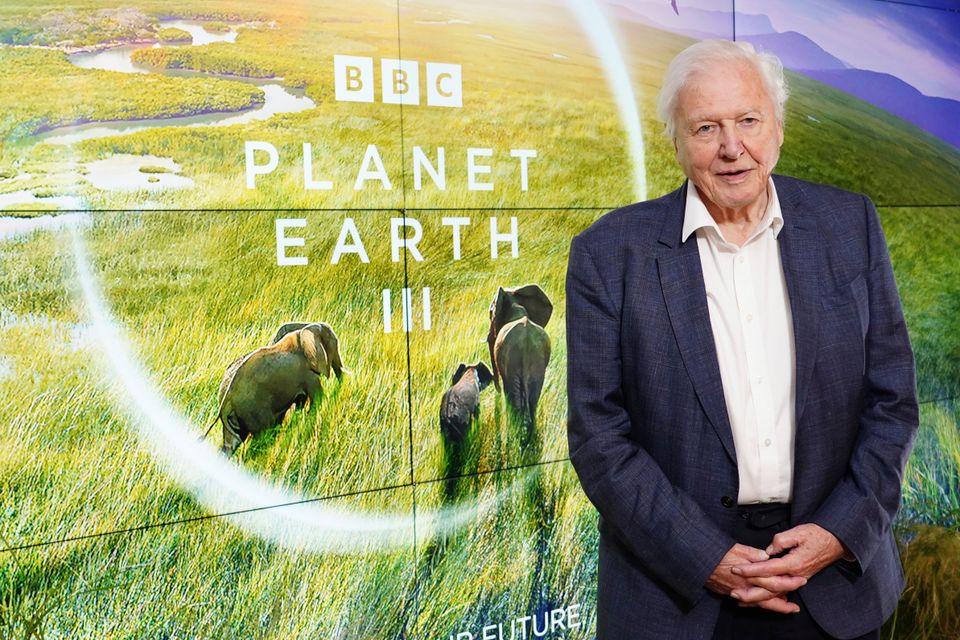
Introduction: Why David Attenborough matters
David Attenborough is one of the most recognised figures in natural history broadcasting. His programmes and public advocacy have played a central role in raising awareness of biodiversity, climate change and the need for conservation. Understanding his influence is relevant for readers who follow environmental policy, science communication and the cultural forces that shape public attitudes to the natural world.
Main body: Career, work and influence
Broadcasting and landmark series
Attenborough’s career spans many decades and a series of landmark BBC natural history programmes. Early series such as “Life on Earth” established a template for large-scale, evidence-driven storytelling about evolution and ecology. Later series including “The Living Planet”, “The Trials of Life”, “Planet Earth” and “Blue Planet II” combined high production values with wide distribution, bringing remote ecosystems and species to a global audience.
Recent film work and conservation messaging
In addition to television series, Attenborough has participated in feature-length documentaries that emphasise the current environmental crisis. Notably, the film “A Life on Our Planet” reframed his personal career as a witness statement on biodiversity loss and human impact. These works have been widely cited in public debates and used by educators and conservation groups to highlight urgent ecological challenges.
Public recognition and role in public discourse
Attenborough’s distinctive voice and accessible explanations have helped bridge scientific knowledge and public understanding. Over the years he has received numerous honours and widespread recognition for his contributions to natural history and science communication. His interventions in public discourse have helped focus attention on policy discussions about habitat protection, marine conservation and the need to reduce greenhouse gas emissions.
Conclusion: Significance and outlook
David Attenborough’s body of work remains a touchstone for conservation communication. For readers, his programmes offer both education and a call to action: they document what is at stake and why collective choices about energy, land use and species protection matter. As debates over climate and biodiversity continue, Attenborough’s films and series are likely to remain influential reference points for policymakers, educators and the public seeking to understand and respond to environmental change.