
Introduction
Yellowstone remains a focal point for public interest due to its unique combination of geological features, abundant wildlife and cultural significance. As one of the most visited natural areas, the park’s condition and management are relevant to conservationists, local communities and visitors planning trips. This short report explains why Yellowstone matters and summarises the main issues affecting the area today.
Main body
Geology and geothermal features
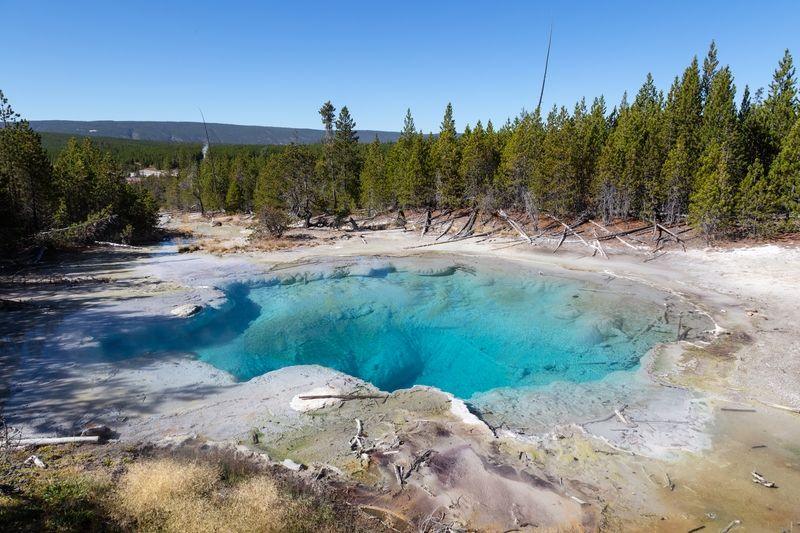
Yellowstone is widely recognised for its extensive geothermal activity. The landscape contains numerous hot springs, geysers and mud pots that draw scientific attention and public curiosity alike. These features reflect deep geological processes beneath the park and are a central reason for ongoing monitoring by researchers interested in volcanology and earth systems.
Wildlife and ecosystems
The park supports a variety of species across forested, riverine and high-elevation habitats. Wildlife viewing is a prime attraction, and management of animal populations, migration routes and habitat health remains a top priority for park authorities and conservation organisations. Maintaining ecological balance in the face of human visitation is a continuing task.
Visitor pressure and management
Yellowstone receives significant visitor numbers, which brings economic benefits to surrounding communities but also places pressure on trails, roads and natural resources. Park managers address these pressures through visitor education, infrastructure planning and regulations designed to protect sensitive areas while allowing access for recreation and learning.
Environmental challenges
Like many natural areas, Yellowstone faces environmental challenges that require ongoing attention. Climate variability, wildfire dynamics, invasive species and the need for habitat connectivity all influence management strategies. Scientific monitoring and adaptive management help inform decisions intended to preserve the park’s values for future generations.
Conclusion
Yellowstone’s combination of geological wonder, ecological importance and cultural value ensures it will remain a priority for research, conservation and tourism. Continued monitoring, careful visitor management and collaboration between agencies and local communities are essential to balance access with protection. For readers, Yellowstone represents both an iconic destination and a reminder of the broader challenges involved in conserving large, dynamic natural landscapes.