

The Northern Lights: A Spectacular Natural Wonder
Introduction
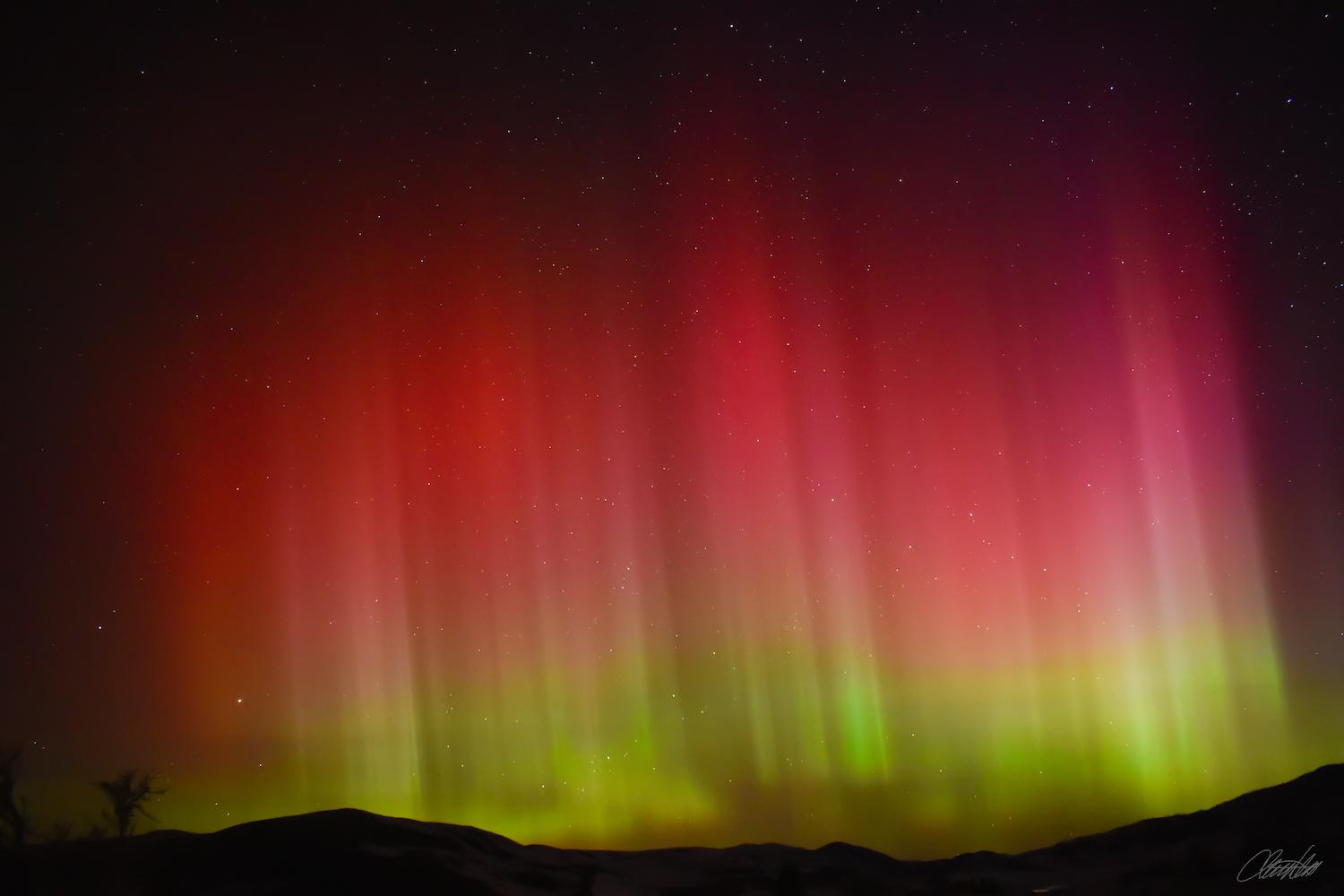
The Northern Lights, also known as the Aurora Borealis, captivate millions of people around the globe each year. This breathtaking natural phenomenon occurs primarily in polar regions, creating dazzling displays of vibrant colours across the night sky. This article explores the science, cultural significance, and current events related to the Northern Lights, shedding light on why they continue to be a source of fascination for scientists and tourists alike.
The Science Behind the Northern Lights
The Northern Lights are caused by solar wind—a stream of charged particles emitted by the sun. When these particles collide with gases in the Earth’s atmosphere, they create spectacular light displays, primarily seen in regions within the Arctic Circle. Researchers have indicated that the best time to observe the Aurora Borealis is during the winter months, particularly between September and April, when the nights are longer and darker.
Recent Events and Developments
In recent news, the Northern Lights have been particularly active due to a significant solar storm that occurred in early October 2023. Reports indicated that people as far south as Pennsylvania and Missouri had the chance to witness this incredible display, with colours ranging from bright greens to vibrant reds and purples. Scientists are continuously studying the correlation between solar activity and geomagnetic storms to gain deeper insights into this phenomenon.
Cultural Significance and Tourism
The Northern Lights hold a profound place in the mythology and cultural fabric of many Northern Hemisphere societies. For the Inuit communities, they are important spiritual symbols, while in Norse mythology, they were believed to be bridges to the heavens. This cultural significance has turned locations like Norway, Iceland, and Canada into prime tourist destinations for those seeking to experience this natural marvel. As travel restrictions ease post-pandemic, there has been a notable uptick in bookings for Northern Lights tours, driving local economies and promoting awareness around environmental conservation efforts.
Conclusion
The Northern Lights are not only a breathtaking natural spectacle but also a topic of scientific study and cultural importance. As our understanding of the interplay between solar activity and atmospheric reactions continues to evolve, it opens up new horizons for exploration and appreciation. For those hoping to witness this awe-inspiring event, planning ahead and choosing the right location during peak viewing seasons can significantly increase the chances of seeing the ethereal glow. As awareness grows, so too will the opportunities for sustainable tourism centred around this natural wonder, ensuring that the beauty of the Northern Lights will mesmerise generations to come.