

Exploring the Fascinating World of Anemones
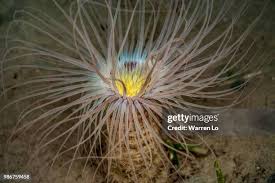
Introduction to Anemones
Anemones are marine animals belonging to the phylum Cnidaria, making them close relatives of corals and jellyfish. With over 1,000 species documented, anemones play a crucial role in underwater ecosystems. Their vibrant colours and unique morphology not only enhance the beauty of coral reefs but also provide essential habitats and protection for various marine animals. Their significance in ecological balance and biodiversity makes anemones a topic of great interest.
The Importance of Anemones in Marine Ecosystems
Anemones are known for their symbiotic relationships, especially with clownfish. This partnership allows clownfish to find shelter from predators while providing the anemones with nutrients from their waste. Such mutualism is vital in sustaining the delicate balance of marine ecosystems. Additionally, anemones offer habitat and food sources to various species, including shrimp and other small fish, contributing to the rich biodiversity of coral reefs.
Recent Research on Anemones
Recent studies have highlighted the impact of climate change on anemone populations. As ocean temperatures rise and acidification increases, the health of these organisms is threatened. Research from the Marine Conservation Society indicates that certain anemones are adapting to shifting environmental conditions, while others struggle to survive. Scientists are exploring the genetic diversity of anemones to better understand their resilience and ability to adapt to future changes in their habitats.
Conservation Efforts and Future Outlook
Conservation efforts for anemones are gaining traction, particularly as public awareness grows regarding the importance of marine ecosystems. Initiatives such as reef restoration projects and pollution reduction strategies aim to protect these vibrant creatures and their environments. The future of anemones is tightly linked to the health of the oceans, as their decline could signal broader ecological issues affecting countless marine species.
Conclusion
In summary, anemones are more than just beautiful marine creatures; they are integral to the health of marine ecosystems. Understanding their relationships and the current threats they face can help inform conservation strategies to protect these essential organisms. The plight of anemones serves as a reminder of the delicate balance within ocean ecosystems and the vital role humans play in preserving marine diversity for generations to come.