

Epstein Files Released: What We Know About the Latest DOJ Disclosure
Introduction: The Long-Awaited Disclosure
The release of Jeffrey Epstein’s investigative files has been one of the most anticipated disclosures in recent years, representing a crucial moment for transparency and accountability. On December 19, 2025, the U.S. Department of Justice released files related to convicted sex offender Jeffrey Epstein and his sexual exploitation of over 250 underage girls, though the disclosure remains incomplete. This release follows the Epstein Files Transparency Act, which passed Congress with a 427-1 vote in November 2025 and was signed by President Trump, requiring the DOJ to release files within 30 days.
What Was Released
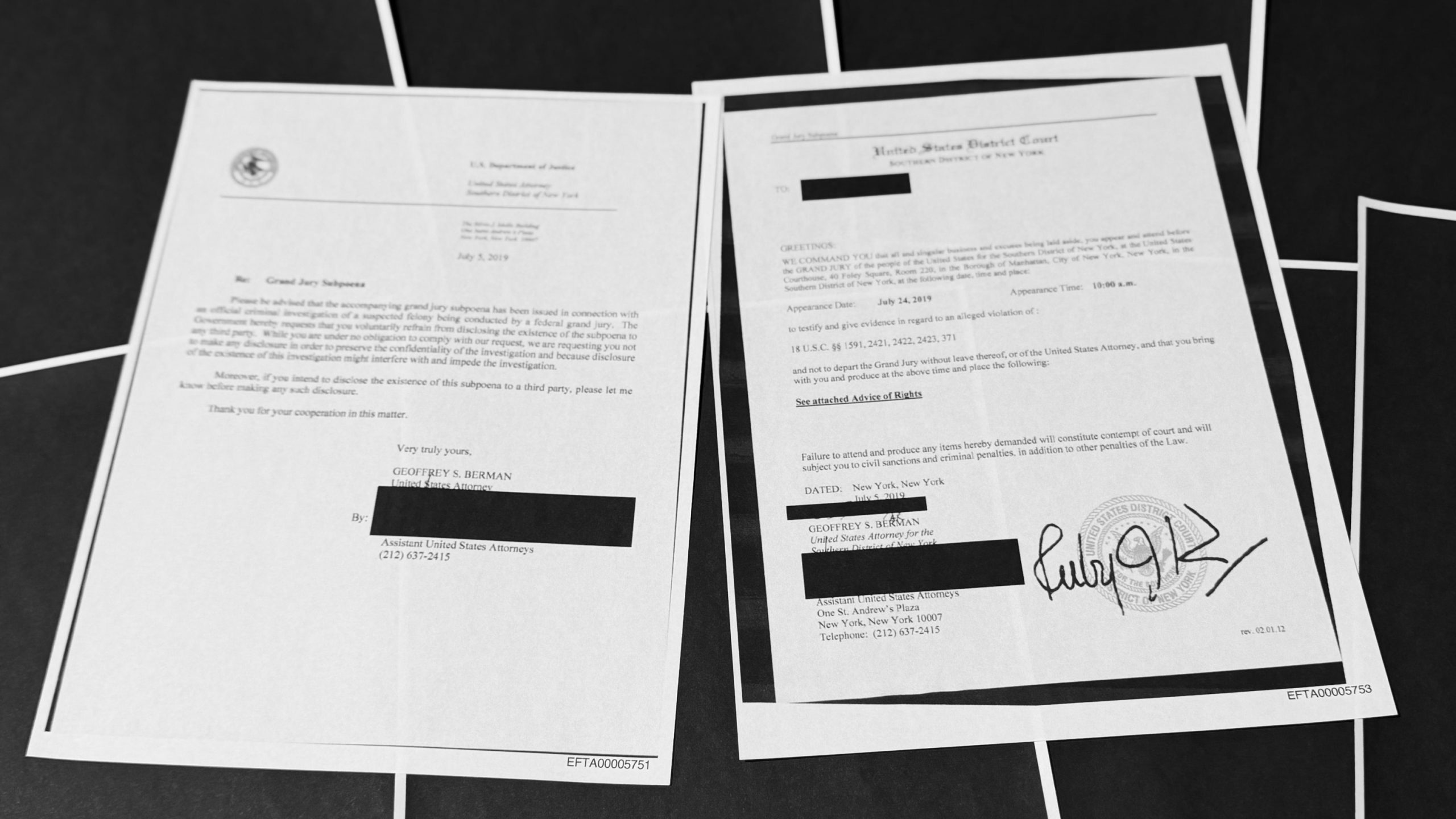
The material included hundreds of photographs, some featuring Epstein and his convicted accomplice Ghislaine Maxwell, as well as images that appeared to show parts of his home and other locations. The disclosure also contained more than 100 pages including flight logs, a redacted contact book, masseuse list and an evidence list. Earlier in February 2025, the first phase of declassified files largely contained documents that had been previously leaked but never released in a formal capacity by the U.S. Government.
Documents in the rolling release of the Justice Department’s files on Jeffrey Epstein have yet to show evidence of wrongdoing on the part of famous, powerful men, against the expectations of many who pushed for the files’ release. The DOJ informed Congress that the Epstein files released on Friday were incomplete, and the department expects additional drops by the end of year.
Political Controversy and Incomplete Disclosure
The partial nature of the release has sparked significant political debate. Rep. Thomas Massie, who led the effort that forced a vote on the bill, said that the DOJ’s production grossly fails to comply with both the spirit and the letter of the law. Democratic lawmakers have also expressed concern, with Senate Democrat Chuck Schumer calling it “nothing more than a cover up to protect Donald Trump from his ugly past”.
The files include more than 300 gigabytes of data and physical evidence in the FBI’s custody and internal Justice Department records from criminal cases against Epstein. However, the DOJ said the files would not be fully released on Friday, despite a law mandating doing so, due to the vetting process required to protect Epstein’s victims.
Conclusion: Accountability and Future Releases
The Epstein files release marks an important step toward transparency, though questions remain about the completeness of the disclosure. The Department remains committed to transparency and intends to release remaining documents upon review and redaction to protect the identities of Epstein’s victims. As additional files are expected to be released, the public continues to await fuller accountability regarding Epstein’s extensive criminal network and those who may have been involved. This ongoing disclosure will likely shape public discourse around power, justice, and institutional accountability for years to come.