

Understanding the Winter Olympics Medal Count
Introduction: Why the Winter Olympics Medal Count Matters
The winter Olympics medal count is a focal point for broadcasters, athletes and national audiences during the Games. It provides a simple snapshot of relative success across countries and sports, shaping headlines, national pride and funding discussions. Understanding how the medal count is compiled and what it does — and does not — reveal is important for readers who want context beyond the nightly tally.
Main body: How the Medal Count Works and Why It’s Important
How counts are compiled
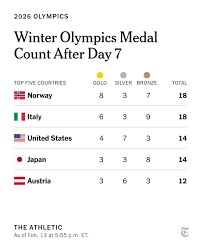
Medal tables typically list nations and the number of gold, silver and bronze medals each has won. In common practice, rankings are organised first by golds, then by silvers and bronzes to break ties. Broadcasters and news outlets update these tables live as events conclude, and many outlets add additional filters such as medals per capita or medals by discipline to give deeper perspective.
What the tally reflects — and what it does not
While the medal count offers a clear metric of podium finishes, it does not capture the full story of performance — such as near-podium results, depth of team performance, or progress over multiple Games. On an athlete level, a single medal can transform careers regardless of its contribution to national totals. For nations, tallies can influence funding priorities, youth participation programmes and public interest in particular winter sports.
Factors that shape the count
Several factors influence the final medal distribution: investment in training and facilities, climate and access to winter sports, national selection systems, and the emergence of new events or changes to existing disciplines. External issues such as weather conditions, injuries, and post-Games rulings can also affect official medal allocations.
Conclusion: Takeaways and What to Watch
The medal count is a useful, immediate barometer of success during the Winter Olympics, but it should be interpreted alongside deeper indicators of performance and development. For readers, key things to watch are shifts in which countries lead specific disciplines, any changes in event line-ups that could reshape future tallies, and longer-term trends in investment and grassroots participation. Viewed in context, the medal table is a starting point for understanding Olympic achievement rather than the final word.