

Prototaxites Fossil from Scotland: 410‑Million‑Year‑Old Giant Added to Museum
Introduction: Why the Prototaxites fossil Scotland matters
The discovery and acquisition of a Prototaxites fossil from Scotland draws renewed attention to the origins of complex life on land. Dating to around 410 million years ago and preserved in exceptional detail in the Rhynie chert, this giant organism has been at the centre of scientific debate for over a century. Its addition to the National Museums Scotland (NMS) collection provides researchers and the public with a tangible piece of early terrestrial ecosystems and highlights how museum holdings can drive new scientific insights.
Main body: Discovery, research and significance
Discovery and museum acquisition
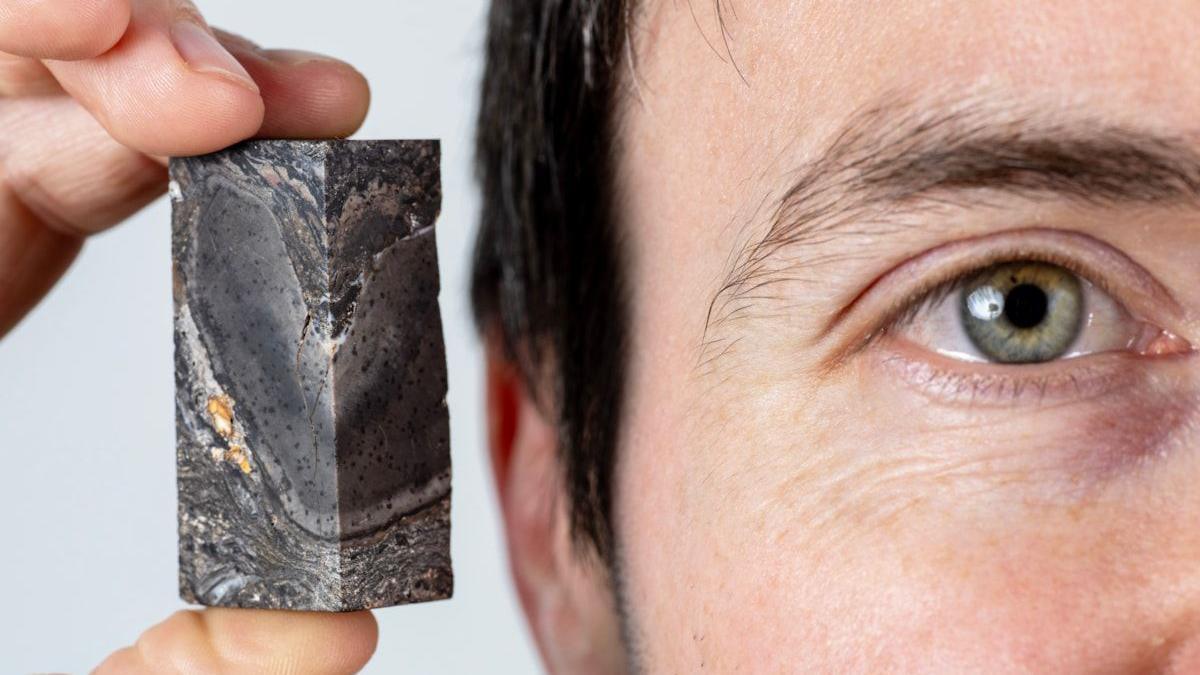
A fossil of Prototaxites recovered from Aberdeenshire — part of the famous Rhynie chert deposits — has been added to the National Museums Scotland collection and will be cared for at the NMS collection centre in Edinburgh. The specimen is a notable, well‑preserved example of the genus and joins other important paleontological material documenting Scotland’s ancient natural history. Dr Sandy Hetherington, co‑lead author on the recent study and senior lecturer in biological sciences at the University of Edinburgh, said: “It’s really exciting to make a major step forward in the debate over Prototaxites, which has been going on for around 165 years.” Dr Nick Fraser, keeper of natural sciences at NMS, emphasised the museum’s pleasure at acquiring the piece and noted the value of collections in enabling cutting‑edge research over time.
Scientific analysis and emerging interpretations
Researchers led by Dr Corentin Loron examined an exceptional specimen of Prototaxites taiti from the Rhynie chert — the largest known example of that species from the site. Detailed anatomical and chemical analyses allowed comparison with fossil fungi preserved in the same rock. Co‑author Laura Cooper summarised the study’s outcome, noting that combining chemistry and anatomy offers strong grounds to place the fossil within or close to fungal groups, while also leaving open the possibility that Prototaxites represents an independent, now‑extinct branch of complex terrestrial life. Coverage in outlets such as the BBC and Phys.org has highlighted the study’s suggestion that Prototaxites may represent a previously unknown experiment in building large, complex organisms on land.
Conclusion: What this means for readers and future research
The addition of the Prototaxites fossil to NMS and the accompanying scientific analyses both reinforce the importance of museum collections and advanced analytical methods for understanding deep time. For palaeobiology, the research refines but does not yet close the debate: Prototaxites could be fungal, allied to fungi, or an independent extinct lineage that illustrates how life repeatedly evolved large, complex forms. Further study of this and comparable specimens will be essential to clarify its biology and ecological role in early terrestrial ecosystems — a subject with continuing appeal to scientists and the public alike.