

The Legacy of Margaret Thatcher: UK’s First Female Prime Minister
Introduction
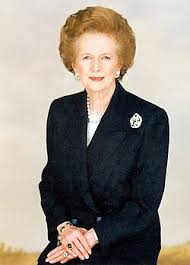
Margaret Thatcher, the first female Prime Minister of the United Kingdom, remains a pivotal figure in modern British history. Serving from 1979 to 1990, her policies and leadership style transformed the political landscape of the UK and left a complex legacy that continues to influence contemporary debates. Understanding her impact is crucial not only for grasping UK politics but also for appreciating the social changes during her tenure.
Key Policies and Achievements
Thatcher’s time in office was marked by her firm belief in free-market economics, which led to substantial reforms in government policy. The introduction of the ‘Right to Buy’ scheme allowed millions of tenants to purchase their council homes, greatly increasing home ownership across the nation. Furthermore, her administration reduced the power of trade unions and introduced a host of monetarist measures aimed at curbing inflation and encouraging entrepreneurship.
One of her most significant achievements was her role in ending the Cold War. Thatcher’s close relationship with U.S. President Ronald Reagan facilitated a unified stance against Soviet communism. This partnership contributed to multiple arms reduction treaties and demonstrated her commitment to global democracy. However, her staunch opposition to the European Union and her controversial handling of the miners’ strikes in the 1980s are points of contention that loom large in discussions of her legacy.
Controversies and Criticisms
While many hailed Thatcher for her economic reforms, her policies were also met with fierce opposition and protests. Critics argue that her government exacerbated social inequalities and led to significant unemployment in certain regions, particularly in the North of England, where industries were heavily reliant on coal and manufacturing. The Poll Tax, or Community Charge, introduced in 1990, proved immensely unpopular and ultimately contributed to her resignation.
Conclusion
Margaret Thatcher’s legacy is a tapestry of profound achievements and stark controversies. As debates about economic policy and social equity continue, her influence remains remarkably pertinent. Modern political leaders often evoke her strategies, and contemporary discussions about free markets versus social welfare echo her time in power. Understanding her reign offers valuable insights not only into the past but also into the future of UK politics. As the nation navigates new challenges, the complexities of Thatcher’s impact become a critical aspect of ongoing dialogue in British society.