

Vanity Fair White House Exposé Triggers Firestorm in Trump Administration
Unprecedented Access Leads to Controversy
Vanity Fair has published a deeply reported profile of 68-year-old White House Chief of Staff Susie Wiles, whose decades-long career has been defined by a measured, steady-the-ship tone, featuring 11 interviews over nearly a year with the White House’s cooperation. The two-part series, written by journalist Chris Whipple, has sent shockwaves through Washington due to Wiles’ blunt assessments of colleagues, including sharp words aimed at Attorney General Pam Bondi, stating that she ‘completely whiffed’ in handling the Jeffrey Epstein case files.
White House Scrambles for Damage Control
The interviews sent the West Wing into damage control, with Wiles calling the article a ‘disingenuously framed hit piece on me and the finest President, White House staff, and Cabinet in history’. Despite the controversy, Bondi quickly stood by her ‘dear friend’ and fellow Floridian, writing on social media that ‘any attempt to divide this administration will fail’.
Unvarnished Photography Sparks Debate
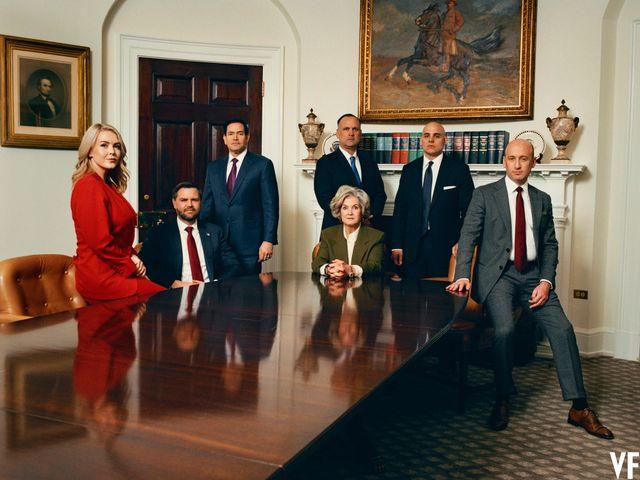
Beyond the candid interviews, photographer Christopher Anderson’s extreme close-ups of Trump’s inner circle, including Karoline Leavitt, Susie Wiles, JD Vance, and Marco Rubio, set the internet alight, providing an unvarnished look at some of the most powerful people in the country. White House spokeswoman Taylor Rogers stated that ‘Vanity Fair intentionally photographed Karoline and the White House staff in bizarre ways, and deliberately edited the photos, to try to demean and embarrass them’. However, Anderson has said he trains his lens on everyone equally, and unlike commercial photographers, his job is to reveal, not conceal.
Significance and Lasting Impact
Vice President JD Vance suggested that ‘if any of us have learned a lesson from that Vanity Fair article, I hope that the lesson is we should be giving fewer interviews to mainstream media outlets’. The controversy highlights the ongoing tension between the Trump administration’s desire for favourable media coverage and the reality of independent journalism, whilst sparking broader discussions about authenticity in political photography and representation of public figures.