

Hillary Clinton: Public Life, Controversies and Legacy
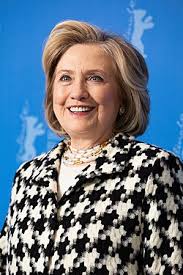
Introduction: Why hillary clinton remains significant
Hillary Clinton has been a central figure in American politics for decades. As a former First Lady, US Senator and Secretary of State, and the first woman to lead the presidential ticket of a major political party, her career touches on governance, diplomacy and the evolving role of women in public life. Understanding her record and controversies remains relevant for readers following US politics and questions of public trust and legacy.
Main body
Early life and legal career
Born on 26 October 1947 in Chicago, Illinois, Clinton graduated from Wellesley College in 1969 and earned a JD from Yale Law School in 1973. Early in her career she served as counsel to the impeachment inquiry staff of the House Judiciary Committee in 1974 and later practised as an attorney.
Roles in public office
Clinton served as First Lady of Arkansas and then First Lady of the United States from 1993 to 2001. She was elected as a Democratic Senator from New York in 2000, reelected in 2006, and served until her resignation on 21 January 2009 to accept a Cabinet position. She served as US Secretary of State from 2009 to 2013. Clinton sought the Democratic presidential nomination in 2008 and was the Democratic nominee for President in 2016, becoming the first woman to top a major party ticket.
Email controversy and investigations
In 2015 The New York Times reported that Clinton had used a personal email account during her time as Secretary of State. The House committee investigating the 2012 attack on the US consulate in Libya discovered the account when the State Department, through Clinton, provided emails to the committee. On 28 October 2016, then-FBI Director James Comey informed Congress that the FBI was reviewing newly discovered emails related to Clinton’s tenure as Secretary of State.
Public presence and recognition
Clinton has remained active in public life, appearing at party events such as a 2024 Democratic National Convention speech in Chicago where she highlighted the historic potential of Kamala Harris becoming the first woman elected president. Her social media presence has substantial reach; her Facebook page lists 9,609,562 likes and active engagement. According to congressional biography records, she was awarded the Presidential Medal of Freedom on 4 January 2025.
Conclusion: Legacy and implications
Hillary Clinton’s career combines groundbreaking achievements and contentious episodes. For readers, her story illustrates the complexities of modern political life: policy influence, public scrutiny and the continued debate over transparency and accountability. Her ongoing visibility and formal honours suggest her influence on American public life and on future discussions about gender and leadership in politics will persist.