

Larry the Cat: A Downing Street Fixture
Introduction
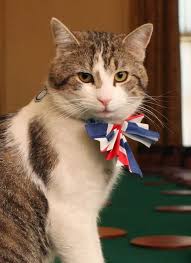
Larry the Cat remains one of the most recognisable animal figures in British public life. As the longstanding Chief Mouser to the Cabinet Office, Larry offers a familiar, apolitical presence within the often turbulent environment of Downing Street. Coverage of Larry attracts public interest because the cat symbolises continuity amid changes in political leadership and provides a lighter lens through which people follow events at the heart of UK government.
Main body
Larry the Cat first came to national attention when he was installed at 10 Downing Street in 2011. Adopted from a rescue centre, he was given the formal title of Chief Mouser to the Cabinet Office and has been associated with the role of controlling rodents in and around the Prime Minister’s residence. Over the years Larry has been photographed and filmed in the company of successive prime ministers and their families, and has featured in media stories that humanise political life.
His public profile has been maintained through both traditional and social media. Photographs of Larry patrolling the courtyard or sitting on the famous black door of Number 10 have become familiar images. He has also been involved in light-hearted narratives about inter-office rivalries with other government cats, the most notable being occasional skirmishes with Palmerston, the Foreign Office mouser, and other feline residents of government buildings.
While Larry’s day-to-day role is practical — helping to deter rodents — his broader significance is symbolic. He is often cited as a comforting, non-partisan presence that bridges political divides and draws steady public attention to the traditions and personalities of British governance. Reports of injuries or health checks for Larry have prompted public concern and media coverage, emphasising the affection many people feel for the cat.
Conclusion
As an enduring fixture in Downing Street, larry the cat is likely to remain a concise symbol of continuity and normality amid political change. For readers, Larry’s presence is a reminder that public life includes small, relatable stories alongside major policy debates — and that such stories can influence how people engage with politics. Whether through a brief news photo or an extended profile, Larry continues to offer a benign and unifying point of interest at the centre of British government life.