

The White House: History, Function and Public Significance
Introduction: Why the White House Matters
The White House is both the official residence and principal workplace of the President of the United States and a globally recognised symbol of American government. Located at 1600 Pennsylvania Avenue NW in Washington, D.C., it draws attention not only for its political role but also for its historical and architectural significance. Understanding the White House helps readers appreciate the intersection of governance, national identity and public access to civic institutions.
Main body: Key facts and historical context
Origins and architecture
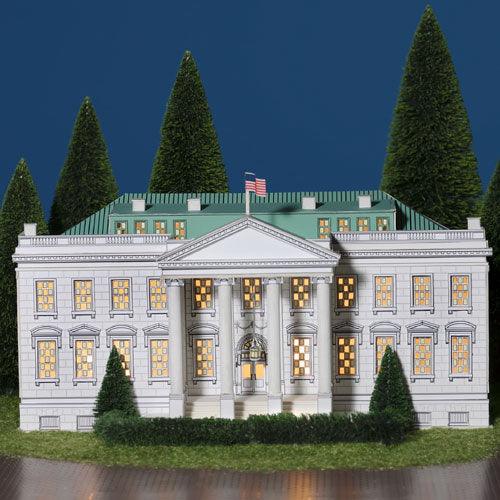
Construction of the White House began in 1792 and the building was first occupied in 1800 by President John Adams. Irish-born architect James Hoban designed the residence, drawing inspiration from classical models including Leinster House in Dublin. The building has undergone several renovations and additions over more than two centuries, reflecting evolving needs and styles.
War, restoration and expansions
During the War of 1812 the British set fire to the White House in 1814, necessitating significant reconstruction. Later alterations included the creation of distinct wings: the West Wing, completed in the early 20th century, houses the offices of the president and senior staff, while the East Wing contains additional office space and the First Lady’s office. The Oval Office, situated in the West Wing, has become an iconic symbol of executive power.
Function and public engagement
Beyond serving as a private residence for the president and their family, the White House functions as an administrative hub for the executive branch and a venue for diplomatic and ceremonial events. It is listed as a National Historic Landmark. Public tours are available but subject to security arrangements: visits must be requested in advance through a member of Congress and are coordinated with the United States Secret Service.
Conclusion: Significance and outlook
The White House remains a living institution—part home, part workplace and part national monument. Its preservation and operation require balancing historical conservation, the practical needs of governance and contemporary security considerations. For readers, the White House stands as a focal point of American public life and a reminder that the built environment continues to shape how democracies operate and are perceived at home and abroad.