

Nick Clegg: Career, Influence and Role in Tech Regulation
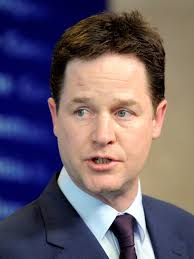
Introduction: Why Nick Clegg Matters
Nick Clegg remains a prominent figure in UK and international public life. As a former leader of the Liberal Democrats and Deputy Prime Minister in the 2010–2015 coalition government, his career bridges high politics and the global technology sector. His later move to a senior role at Meta (formerly Facebook) has put him at the centre of debates about regulation, online safety and the relationship between governments and large technology organisations—issues of growing importance to voters, businesses and policymakers.
Main body: Career milestones and policy focus
Political career and public service
Clegg served as leader of the Liberal Democrats from 2007 until 2015 and was Deputy Prime Minister during the coalition government from 2010 to 2015. He was first elected to Parliament in 2005 and represented his constituency until the 2017 general election. During his time in office he was involved in coalition policymaking, liberal reform agendas and debates over constitutional and electoral reform.
Transition to the technology sector
In 2018 Clegg joined Facebook, later Meta, taking a senior role focused on global affairs and communications. In that capacity he has worked with governments, regulators and civil society on issues such as platform transparency, content moderation, data policy and online safety. His appointment highlighted the growing intersection between political experience and the governance needs of large technology platforms.
Influence on regulation and public debate
Clegg’s role has often placed him in public debates about how to regulate online harms, manage elections and protect user data, while balancing concerns about free expression. He has publicly engaged with legislation proposals and international discussions on digital regulation, reflecting both the responsibilities of major platforms and wider societal concerns about technology’s effects.
Conclusion: Significance and outlook
Nick Clegg’s trajectory—from senior UK politician to a leading executive at a global tech firm—illustrates broader trends in governance, where policy, business and technology increasingly overlap. For readers, his career underscores the importance of how online platforms are governed and the need for transparent, accountable regulation. Looking ahead, Clegg’s influence in shaping conversations between governments and tech industry leaders will remain relevant as countries pursue new rules on online safety, privacy and AI.