

An Overview of David Cameron’s Political Legacy
Introduction
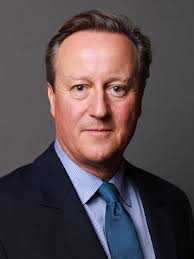
David Cameron served as the Prime Minister of the United Kingdom from 2010 until 2016, leading the country through critical economic and political changes. As a prominent figure in British politics, his policies and leadership style continue to influence discussions around governance. With Brexit and the recent political turbulence, understanding Cameron’s legacy is essential for comprehending the current political landscape.
Tenure Highlights
During his time in office, Cameron implemented several significant policies aimed at revitalising the UK economy, which had suffered during the 2008 financial crisis. His government introduced austerity measures, aimed at reducing the national deficit, and fostered a culture of entrepreneurship. Cameron also championed social reforms, notably the introduction of same-sex marriage in England and Wales in 2013, demonstrating his commitment to inclusivity.
Brexit and Resignation
Perhaps the most consequential moment of Cameron’s tenure was his decision to hold the EU referendum in 2016, which ultimately resulted in a public vote to leave the European Union. The aftermath of the vote led to intense political strife and division within the UK. Following the referendum’s outcome, Cameron announced his resignation, paving the way for Theresa May as his successor. His departure marked the end of an era and set the stage for ongoing debates about the future of the UK.
Current Relevance
In the years following his resignation, Cameron has remained in the public eye, engaging in various initiatives, including his appointment as an adviser in the private sector. His insights on global political and economic challenges, particularly after the ramifications of Brexit, are being sought in forums and think tanks. The discourse surrounding his leadership and decisions continues to resonate, particularly as the UK grapples with the complexities introduced by its departure from the EU.
Conclusion
David Cameron’s leadership spurred significant shifts not only in the UK’s economic landscape but also in its political fabric. As the country navigates through the consequences of his decisions, particularly regarding Brexit, analysts and citizens alike reflect on his contributions and the implications of his policies. The lessons learned during his tenure remain relevant, prompting considerations about future leadership in an increasingly complex political environment.