

Andy Burnham: A Central Figure in Contemporary Politics
Introduction
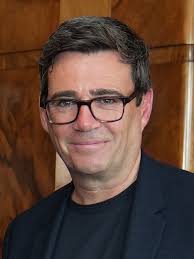
Andy Burnham, the Mayor of Greater Manchester and former MP, has become an increasingly pivotal figure in UK politics. His leadership during the COVID-19 pandemic and advocacy for regional issues have made him a prominent voice in discussions about health, economy, and social justice. As local governance gains recognition for its impact on national policies, Burnham’s approach highlights the importance of civic leadership in pressing political matters.
The Rise of Andy Burnham
Burnham’s political career began when he was elected as the MP for Leigh in 2001. Serving in various government positions, including Secretary of State for Health, he gained a reputation for championing healthcare reforms. However, it is his role as Mayor since 2017 that has catapulted him into the national spotlight. Under his stewardship, Greater Manchester has navigated significant challenges, most notably the pandemic, where he clashed with the Conservative government over funding and restrictions.
Key Initiatives and Policies
During his tenure as Mayor, Burnham has been at the forefront of several key initiatives. He has pushed for greater devolution of powers from Westminster, advocating for a fairer funding formula that benefits northern cities. He has also prioritised mental health support, transportation improvements, and affordable housing, tackling issues that resonate deeply with constituents.
Burnham’s leadership style reflects his commitment to inclusivity, often holding public forums to gather diverse opinions and ensure that community needs shape policy decisions. His “People’s Mayor” persona has endeared him to many in Greater Manchester, reinforcing the importance of citizen engagement in local governance.
Recent Developments
In recent months, Burnham has continued to address pressing issues such as the cost-of-living crisis exacerbated by rising energy prices and inflation. He has called for urgent government intervention to support the most vulnerable, positioning himself as a protector of the public’s interests. Furthermore, his clarity on issues of social justice has placed him firmly within the progressive wing of the Labour Party, preparing the ground for potential future leadership contests.
Conclusion
As UK politics continues to evolve, Andy Burnham’s role as a vocal advocate for regional issues sets a significant precedent for mayors nationwide. His ability to engage with the public and address local concerns while maintaining a clear stance on national matters illustrates the growing power of local leaders in shaping broader policies. With potential ambitions for higher office, Burnham’s influence is likely to expand, making him a key figure to watch in the coming years. His commitment to improving the lives of Greater Manchester residents may lay the foundation for a revived focus on localism in UK governance.