

Baroness Casey: Adviser, Chair and Crossbench Peer
Introduction: Why Baroness Casey matters
Baroness Casey is a prominent figure in UK social welfare policy. Her work on homelessness, troubled families and social integration has shaped government practice across administrations. Understanding her roles and honours is relevant for anyone following reforms to adult social care, homelessness policy and the wider welfare system.
Main body: Roles, experience and recognition
Public appointments and advisory roles
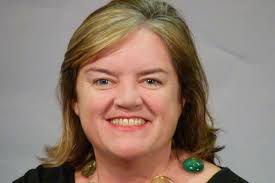
Louise Casey, formally styled The Baroness Casey of Blackstock DBE CB, serves as Chair of the Independent Commission into Adult Social Care and is Chair of the Institute of Global Homelessness. She is also described as an independent adviser on social welfare and holds the Government Lead Non-Executive Director role. These positions place her at the interface between government, non-governmental organisations and services working with vulnerable people.
Career highlights and government service
Baroness Casey is a former British Government official who has worked for six Prime Ministers on a range of social welfare issues. Her portfolio of work, as recorded in official sources, includes homelessness, anti-social behaviour, troubled families, child sexual exploitation and social integration. Her extensive experience in these areas underpins her leadership of reviews and commissions aimed at policy and service improvement.
Honours and parliamentary status
Baroness Casey received the Companion of the Order of the Bath (CB) in the Queen’s Birthday Honours list in 2008 and was made a Dame Commander of the Order of the British Empire (DBE) in the Queen’s Birthday Honours 2016 for services to families and vulnerable people. She was appointed as a crossbench peer in the House of Lords in 2020 and took up that position in September 2021, contributing to parliamentary scrutiny from a non-party-political standpoint.
Conclusion: Significance and outlook
Baroness Casey’s combination of frontline policy experience, independent advisory roles and formal recognition positions her as a key voice on adult social care and homeless policy in the UK. Her chairing of commissions and institutes suggests continued influence on reform debates and on practical efforts to support vulnerable groups. For readers, her work signals where attention may focus in ongoing policy discussions about social welfare and service delivery.