

Baroness Longfield Appointed to Lead National Grooming Gangs Inquiry
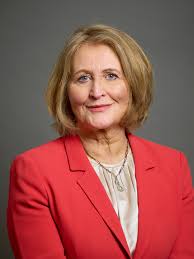
Historic Appointment Ends Months of Uncertainty
Baroness Anne Longfield, former children’s commissioner for England, has been appointed to chair the national grooming gangs inquiry, ending almost six months of delays since the government first announced the inquiry. The Labour peer will step down from the party as she carries out the inquiry’s work, ensuring independence in this critical investigation.
The appointment represents a significant moment in Britain’s ongoing efforts to address one of the most serious child safeguarding failures in recent history. Baroness Longfield served as children’s commissioner from 2015-2021 and last year founded the Centre for Young Lives think tank, bringing four decades of experience in children’s advocacy to the role.
Inquiry Details and Timeline
The inquiry will be time-limited and completed within three years with £65 million in funding. Baroness Longfield will be part of a three-person panel that includes Zoe Billingham, chair of Norfolk and Suffolk NHS Foundation Trust, and Eleanor Kelly, former chief executive of the London borough of Southwark.
Baroness Longfield stated the inquiry “will not shy away from difficult or uncomfortable truths wherever we find them”. The chair and panelists will meet with victims later this week, demonstrating a commitment to placing survivors at the heart of the investigation.
Controversy and Mixed Reactions
The appointment has not been without controversy. Five women resigned from the inquiry’s victim liaison panel in a row over the scope of the probe, and some criticised Baroness Longfield’s appointment. Questions have been raised about independence, despite her resignation from the Labour whip.
However, Baroness Longfield was recommended by Baroness Casey, who supported the inquiry’s set-up and agreed to be an adviser. The Home Secretary commissioned new research on perpetrators’ backgrounds including ethnicity and religion, and announced a legal duty for information sharing between safeguarding partners.
Significance for Child Protection
This inquiry represents a crucial opportunity to learn from past institutional failures and strengthen child protection systems across Britain. The three-person panel will investigate how young people were failed by those who should have protected them, with the power to instigate local investigations in areas where serious failures occurred.
The outcome of this inquiry will have far-reaching implications for safeguarding practices, policing responses, and local authority procedures, potentially reshaping how Britain protects vulnerable children from exploitation for decades to come.