

Boris Johnson: Former Prime Minister Continues to Shape Global Discourse in 2025
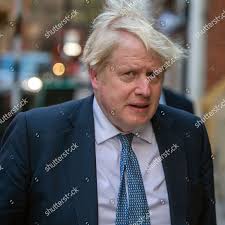
Introduction: The Enduring Influence of Boris Johnson
Boris Johnson served as Prime Minister of the United Kingdom from 2019 to 2022, leading the country through Brexit, the COVID-19 pandemic, and support for Ukraine during the Russian invasion. Though he stepped down from office over three years ago, Johnson remains a prominent figure in international affairs, commanding attention through speaking engagements, diplomatic visits, and outspoken commentary on global events. His continued presence in public life demonstrates how former leaders maintain influence beyond their time in office.
Recent Global Activities and Speaking Career
In December 2025, Boris Johnson made headlines with his appearance at the first economic summit in Owerri, Imo State, organised by Governor Hope Uzodimma. During his visit to Nigeria, Johnson declared that from when he landed in Lagos, through his night at a hotel and his movement to Owerri, there was nothing to suggest that Nigeria was unsafe, challenging negative security perceptions about the country.
Johnson hailed Nigeria for its contribution to development on the global stage, including sending a ‘future prime minister in the form of Kemi Badenoch’ to the UK. This recognition of Nigeria’s influence underscores the diplomatic dimension of his post-political career.
Since leaving office, Johnson made £5.1 million from 34 speeches between October 2022 and May 2024, establishing himself as a sought-after speaker on the international circuit. His speaking career follows a well-trodden path of former prime ministers monetising their experience and global connections.
Controversies and Continued Scrutiny
Johnson’s post-political activities have not been without controversy. The Guardian accused him of ‘profiting from contacts and influence he gained in office in a possible breach of ethics and lobbying rules’, raising questions about whether he has ‘breached revolving door rules governing post-ministerial careers’.
Furthermore, a public inquiry concluded that Johnson oversaw a toxic, chaotic and dithering response to the COVID pandemic, with a delay to locking the country down resulting in about 23,000 more deaths. This damning assessment continues to shape public debate about his political legacy.
Conclusion: A Complex Legacy
Boris Johnson remains a polarising figure whose influence extends far beyond his time in Downing Street. His lucrative speaking career, diplomatic visits, and willingness to engage with controversial topics ensure he stays in the public eye. Johnson has no plans to return to politics for now, but his activities demonstrate how former leaders continue to shape international discourse. For observers of British politics and global affairs, Johnson’s post-political career offers insights into how power and influence operate beyond formal office, whilst ongoing inquiries into his premiership remind us that historical judgement takes time to form.