

Candace Owens and the Debate over Her Rhetoric
Introduction: Why Candace Owens Matters
Candace Owens is a prominent American conservative commentator and activist whose statements have grown increasingly significant for political media and public debate. Her prominence — amplified by books, an organisation she founded and large social‑media followings — makes scrutiny of her rhetoric important for readers tracking disinformation, community relations and shifts within conservative circles.
Main developments and background
Career highlights and public profile
Owens has authored a book titled ‘Blackout: How Black America Can Make Its Second Escape from the Democrat Plantation’ and founded the Blexit Foundation, aimed at persuading Black Americans to reconsider political affiliations. By the 2020s she had become a major figure in US far‑right politics, attracting both loyal supporters and substantial criticism from opponents and mainstream commentators.
Allegations of antisemitism and recent split with The Daily Wire
Multiple sources note that Owens’ rhetoric has increasingly been characterised as antisemitic, particularly after the events of 7 October 2023 in Israel. Her statements prompted concern from former allies, mainstream conservatives and Jewish groups including the American Jewish Committee (AJC). In March 2024 The Daily Wire, the conservative media company co‑founded by Ben Shapiro, parted ways with Owens following a series of statements that many condemned as antisemitic.
Post‑Daily Wire activity and reach
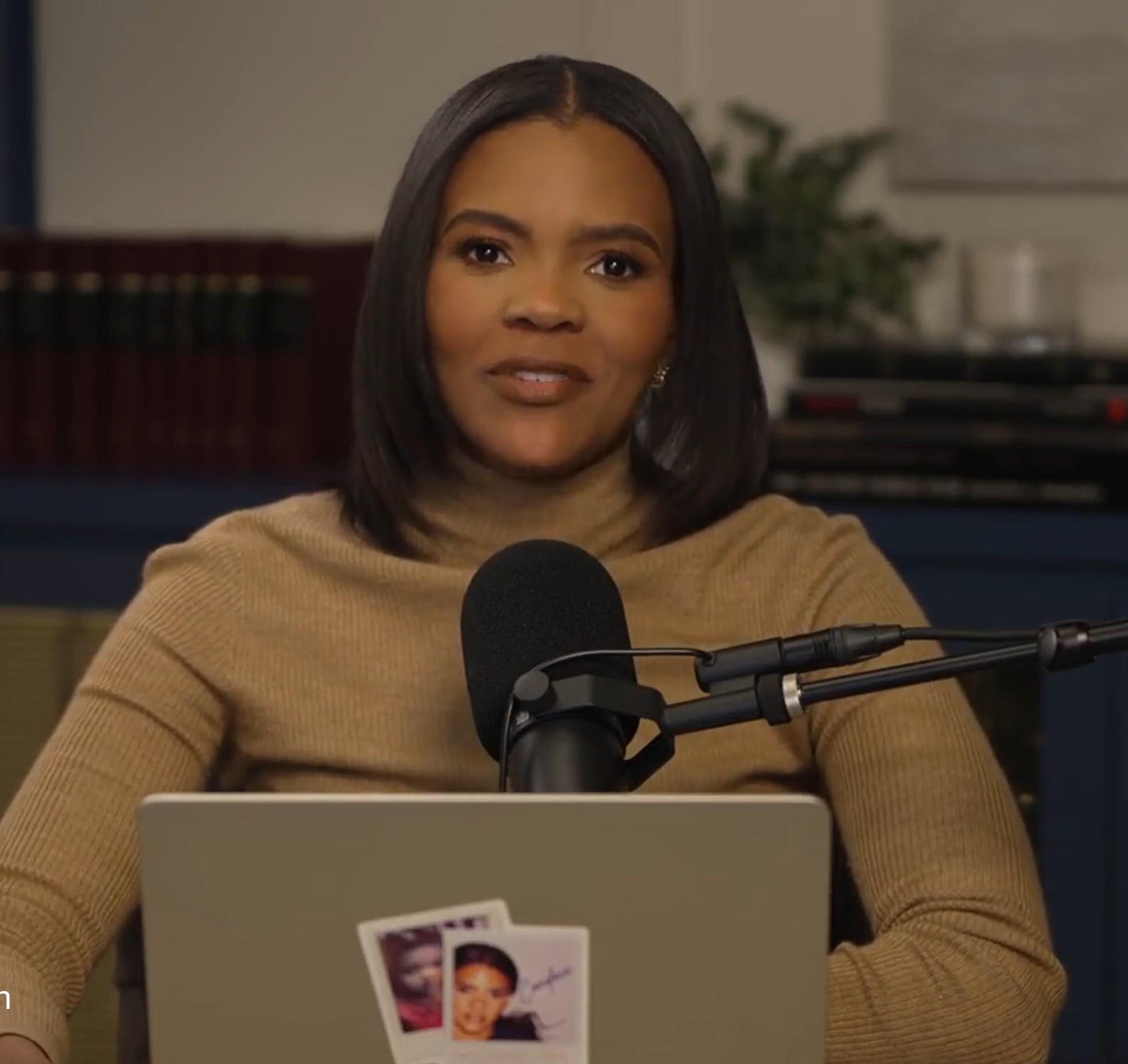
Since leaving The Daily Wire, Owens launched her own podcast and continues to address millions of followers across platforms such as YouTube, X and Instagram. Reports indicate she has propagated antisemitic tropes and conspiracy theories through these channels, according to the cited material. Her communications therefore remain influential across conservative media ecosystems.
Fact‑checking and public scrutiny
Independent fact‑checking outlets such as PolitiFact have routinely reviewed and assessed Owens’ public statements. These fact‑checks form part of broader efforts to verify claims circulating in political discourse and to inform citizens about the accuracy of high‑profile commentary.
Conclusion: Significance and outlook
Candace Owens’ trajectory illustrates how individual commentators can shape discourse and provoke debate within and beyond political movements. Her continued platform on multiple channels means scrutiny and fact‑checking are likely to remain important for readers interested in media influence, community impacts and the boundaries of acceptable public rhetoric. Policymakers, media organisations and civil society groups will watch how audiences and conservative networks respond to her ongoing activity.