

Chagos Islands Transfer: Historic Deal Faces Political Opposition and Strategic Questions
Introduction: A Historic Decolonisation Agreement Under Fire
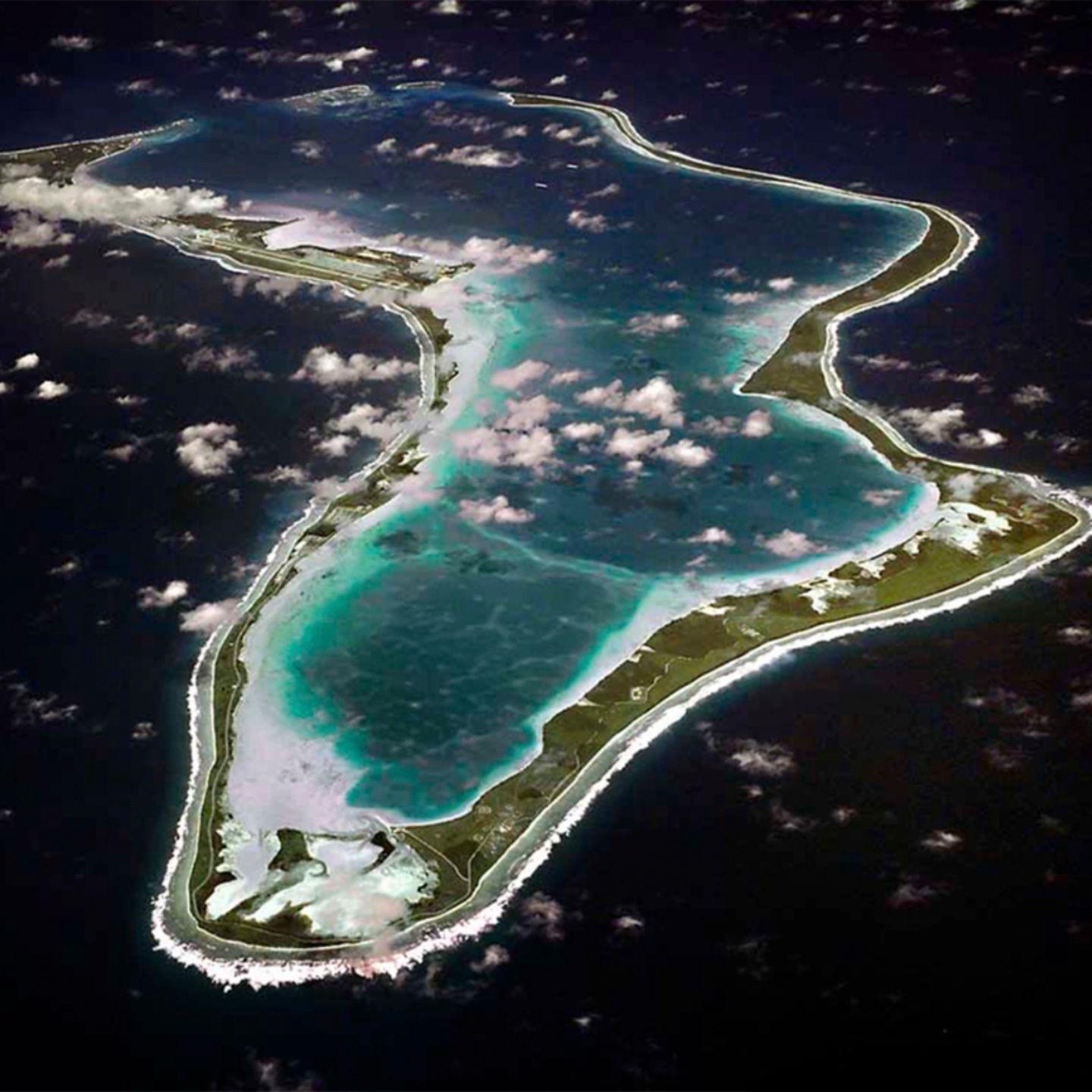
The Chagos Islands have become the centre of international attention following the United Kingdom’s agreement to transfer sovereignty over the Chagos Islands to Mauritius, marking one of the most expensive and politically charged decolonization acts of the modern era. This remote archipelago in the Indian Ocean, home to the strategically vital Diego Garcia military base, has sparked fierce debate in Parliament, with critics questioning the deal’s implications for national security and the Chagossian people themselves.
The Deal: Financial and Strategic Components
Under the deal, the UK will pay Mauritius at least £120million every year for 99 years to lease back the military base on Diego Garcia. The central Diego Garcia atoll, the only inhabited island, hosts one of the world’s most strategic military bases operated by the United States, serving as a critical hub for long-range naval and air operations, comparable in significance to the base in Guam.
The Diego Garcia Military Base and British Indian Ocean Territory Bill aims to implement in UK law certain provisions of the treaty signed in May 2025 between the UK and Mauritius agreeing the status and future of the Chagos Archipelago. The legislation has faced significant scrutiny in Parliament, with members voting to agree four changes on matters regarding payment terms in the event military use of the base becomes impossible, a Chagossian community referendum on implementation of the treaty, government publication of costs paid to the Republic of Mauritius, and parliamentary oversight and approval of expenditure.
Opposition and Concerns
The deal has faced substantial opposition from multiple quarters. Retired military chiefs have issued a rallying cry to peers ahead of Monday’s crunch Chagos Islands “surrender” vote, with the House of Lords set to vote on the third and final reading of the legislation to ratify the Bill. Critics argue that the treaty could provide opportunities for hostile nations, particularly China, to gain influence in the strategically important region.
Perhaps most controversially, the Chagossians were not consulted on the treaty, and they have no right of return under it. The Chagossians—descendants of the roughly one thousand people who were forced off their islands over 50 years ago to make way for the base—are ethnically, linguistically, and culturally different from Mauritians.
Conclusion: A Complex Legacy with Global Implications
The Chagos agreement sets a major precedent in international politics, demonstrating that 21st-century decolonization remains complex and costly, especially when strategic military installations are involved. As parliamentary debates continue, the outcome will have significant implications not only for UK-Mauritius relations but also for broader geopolitical dynamics in the Indo-Pacific region. The fate of the Chagossian people and the security of one of the world’s most important military facilities hang in the balance, making this one of the most consequential diplomatic agreements of recent times.