

Claudia Sheinbaum: Breaking Barriers as Mexico’s Historic First Female President
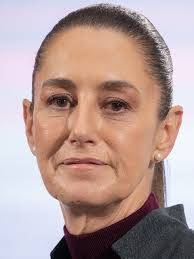
A Historic Milestone for Mexico
Claudia Sheinbaum Pardo became the 66th president of Mexico in 2024, marking a watershed moment as the first woman and first Jewish person to hold the office. She took office on 1 October 2024 in the nation’s more than 200 years of independence, following a landslide victory in the 2024 presidential election where she defeated Xóchitl Gálvez. This achievement represents a significant advance in gender equality in one of Latin America’s most conservative countries, where all 65 presidents since independence from Spain had been men.
From Scientist to Political Leader
The 62-year-old environmental scientist left academia on a political trajectory that took her from local mayor to running Mexico City, ultimately winning the presidency with nearly 60% of the vote. She was one of the scientists and policymakers who shared the 2007 Nobel Prize for Peace for their work on the United Nations Intergovernmental Panel on Climate Change. Sheinbaum’s background is in science, holding a Ph.D. in energy engineering, which distinguishes her approach to governance. Where López Obrador is folksy and charismatic, Sheinbaum is seen as analytical and data-driven.
Key Challenges and Policy Priorities
Sheinbaum assumes the presidency amid high expectations and enormous challenges, including endemic cartel violence and a large national deficit. Security emerged as the top issue for voters, as organised crime has become so powerful that gangs are extorting everything from gas stations to avocado growers and trucking companies. On 2 December 2024, Sheinbaum elevated several social programmes to constitutional law, demonstrating her commitment to continuing policies that have helped reduce poverty.
International Relations and Economic Outlook
Throughout her presidency, Claudia Sheinbaum has ranked as one of Latin America’s most popular leaders, commanding approval ratings near or above 70 percent since her October 1, 2024 inauguration. Her administration faces complex international dynamics, particularly with the United States, Mexico’s largest trading partner. In 2024, Forbes ranked Sheinbaum as the fourth most powerful woman in the world, reflecting her growing influence on the global stage.
Significance for Mexico’s Future
Sheinbaum’s presidency represents more than just a symbolic victory for women’s representation. In a conservative country led by men for more than two centuries, her victory underscores the advances women have made in the political sphere, particularly notable given Mexico’s problems with gender-based violence and one of the highest rates of murder against women in the world. As she navigates domestic challenges and international relations, her scientific background and data-driven approach may offer fresh perspectives on longstanding issues. The coming years will determine whether her administration can deliver on promises of security improvements, economic growth and enhanced quality of life for Mexican citizens.