

Ehud Barak: A Detailed Look at His Political Influence
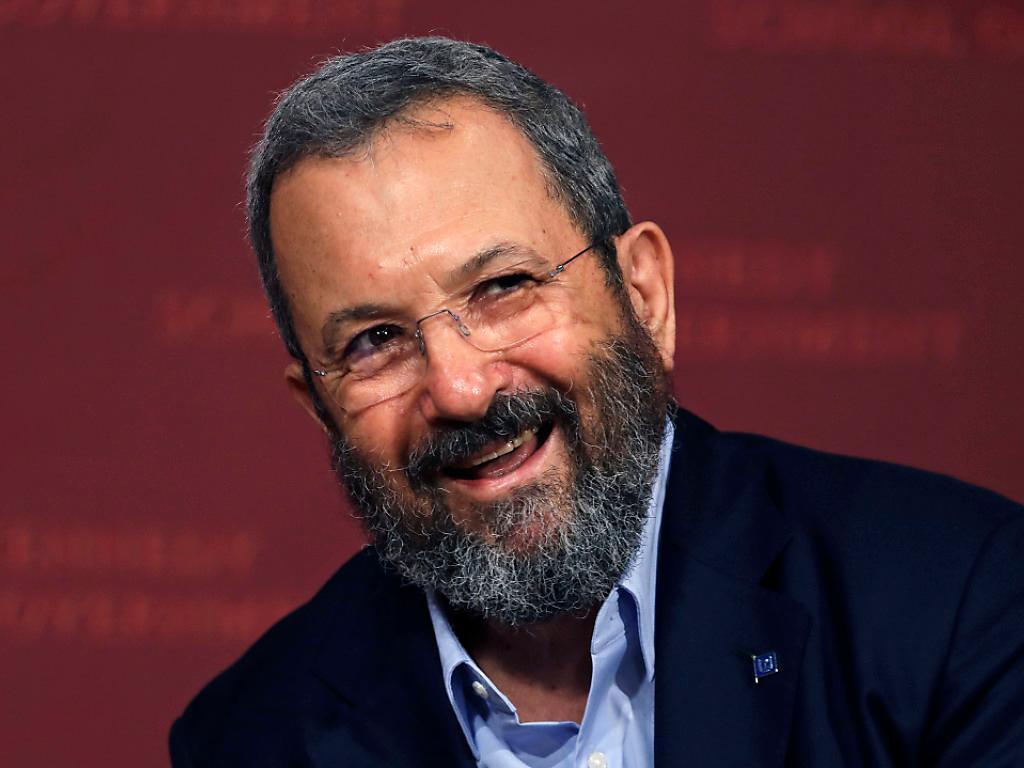
Introduction
Ehud Barak, a prominent figure in Israeli politics, has played a crucial role in shaping the nation’s policies over the past few decades. As the only individual to hold multiple key positions within the Israeli government, including Prime Minister and Minister of Defence, Barak’s influence extends far beyond his time in office. Understanding his legacy and impact is essential for those interested in contemporary Israeli history and politics.
Early Life and Military Career
Born on February 12, 1942, in Mishmar HaSharon, Barak joined the Israel Defense Forces (IDF) at a young age. His military career was distinguished and included serving as a soldier in several wars, notably the Six-Day War and Yom Kippur War. Barak rose through the ranks to become the Chief of General Staff of the IDF in 1991, earning a reputation as a tactician and leader. His military background has significantly shaped his political decisions, prioritising security and defence in his policies.
Political Career and Major Achievements
Ehud Barak transitioned from the military to politics, serving as a member of the Labour Party. He was elected Prime Minister in 1999, succeeding Benjamin Netanyahu. During his tenure, Barak focused on achieving peace with the Palestinians and proposed significant compromises, including the Camp David Summit in 2000. However, his government faced intense opposition, and the lack of peace agreements ultimately led to his resignation in 2001.
Challenges and Controversies
Barak’s political career was not without challenges. His attempts at peace negotiations were met with mixed reactions, especially following the outbreak of the Second Intifada shortly after the Camp David Summit. Critics argue that his proposals were either too ambitious or failed to address core issues. Following his resignation as Prime Minister, Barak remained active in politics, returning as Minister of Defence from 2007 to 2013. His decisions during this period, particularly regarding military operations in Gaza, have sparked considerable debate.
Current Influence and Legacy
Even after leaving official political office, Barak continues to be an influential voice in Israeli and global politics. He frequently speaks out on issues concerning security and democracy in Israel and works towards promoting dialogue and understanding both domestically and internationally. His legacy is multifaceted: he is remembered for both his pursuit of peace and the controversies that ensued from his policy decisions.
Conclusion
Ehud Barak’s career provides valuable insights into the complexities of Israeli politics and security dilemmas. His dual legacy as a military leader and politician exemplifies the challenges faced by Israeli leaders in balancing national security while pursuing peace. As the Middle East continues to evolve, the lessons from Barak’s experiences will remain relevant for future generations seeking resolution in this tumultuous region.