

How the Line of Succession in the UK Works
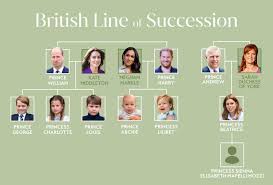
Introduction: Why the line of succession UK matters
The line of succession UK determines who will become monarch and head of state in the United Kingdom. Its importance extends beyond ceremonial matters: it affects constitutional continuity, the Church of England, and national identity. Understanding how the order is set and what can alter it helps readers appreciate the rules that underpin an ancient institution and how modern reforms have adapted those rules to contemporary values.
Main body: How the order is determined
Legal foundations
The succession is governed by a number of historic statutes and more recent legislation. Key legal instruments include the Act of Settlement of 1701 and the Succession to the Crown Act 2013. These laws establish who is eligible to inherit the throne and set conditions such as religion and legitimacy.
Principles and recent reforms
Traditionally, male-preference primogeniture gave priority to sons over daughters. The Succession to the Crown Act 2013 introduced absolute primogeniture for those born after 28 October 2011, meaning the eldest child, regardless of sex, precedes younger siblings. The 2013 Act also removed the automatic disqualification that previously applied if a person married a Roman Catholic, although the sovereign must still be in communion with the Church of England.
Who is included and how changes occur
Eligibility is typically traced through legitimate descendants of a specified Protestant line, and the exact order can change with births, deaths, marriages and official legal changes. Individuals may be removed from the line in limited circumstances prescribed by law, and parliamentary action could alter the rules in future if political consensus required it.
Conclusion: What this means for readers
The line of succession UK remains a blend of historic precedent and modern reform. Recent legislative changes have sought to make succession fairer while preserving constitutional links with the Church of England. For readers, the key takeaway is that succession is both legally defined and adaptable: births and marriages continue to shape the order, and further reform is possible through parliamentary process should public and political will demand it.