

Jeremy Clarkson Bans Labour MPs from His Farmer’s Dog Pub Over Tax Hikes
Introduction: A High-Profile Political Statement
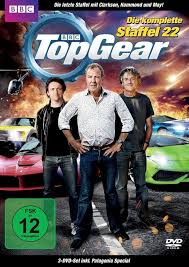
Former Top Gear presenter Jeremy Clarkson has announced in a social media post that he has banned Labour MPs from his Oxfordshire pub, The Farmer’s Dog in Burford. This bold move has captured national attention and highlights the growing frustration among farmers and hospitality businesses over recent government tax policies. The TV presenter-turned-publican confirmed on Saturday (13 December) that all Labour MPs were barred from the pub after Chancellor Rachel Reeves announced further tax hikes at the Autumn Budget, making it a significant moment in the ongoing debate about agricultural and business taxation.
The Ban and Its Exception
In a post on the site X, he said: “I have banned all Labour MPs from my pub, except one: Markus Campbell Savours. He’s welcome any time.” Markus Campbell-Savours, the member of parliament for Penrith and Solway was suspended as a Labour MP after voting against the government over their plans to impose inheritance tax on farmers. This exception demonstrates Clarkson’s specific opposition to agricultural tax policies rather than a blanket political stance. Previously, the Who Wants To Be A Millionaire star had only banned Prime Minister Keir Starmer from the Farmer’s Dog, but the ban has now been extended to encompass 404 Labour MPs caught in the backlash.
Context and Significance
It follows a campaign by Dorset hospitality businesses who banned their local Labour MP after a big increase in business rates was announced in the budget. The former Top Gear star, who owns The Farmer’s Dog pub in Burford and the Diddly Squat Farm in Chipping Norton, has previously spoken about the challenges farmers and business owners are facing. Clarkson’s protest reflects broader concerns within the agricultural community, and Clarkson attended the England farmers’ protests in London where he called tax hikes a “hammer blow to the back of the head” of British agriculture. For readers, this development underscores the tension between government fiscal policy and rural business interests, demonstrating how celebrity voices can amplify grassroots concerns about economic challenges facing the farming and hospitality sectors.