

Margaret Thatcher’s Centenary: The Iron Lady’s Legacy Still Divides Britain
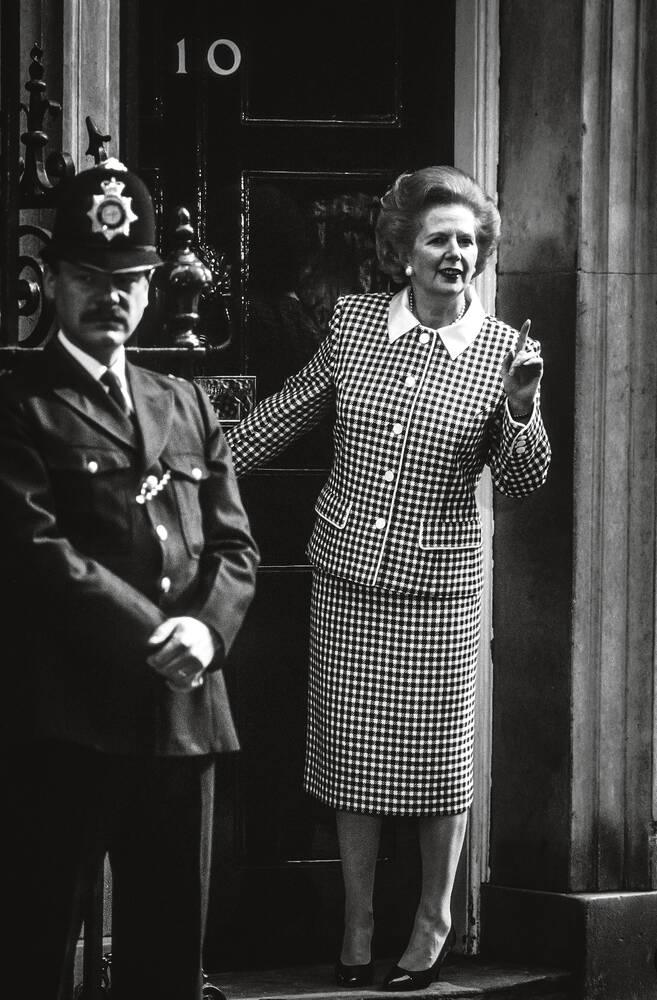
Celebrating a Political Icon’s Centenary
The 100th anniversary of Margaret Thatcher’s birth is being marked in the United Kingdom and around the world with a series of events celebrating the influence of the first woman to be British prime minister. At the Conservative party conference, attendees celebrated her centenary with a ‘Maggie’s 100th’ themed party and a display of her iconic outfits. The Margaret Thatcher Centre, a London-based think tank, is planning a policy conference on her ideas, followed by a gala dinner at the elite Carlton Club in December.
A Transformative Political Career
Margaret Thatcher served as Prime Minister of the United Kingdom from 1979 to 1990 and was the longest-serving British prime minister of the 20th century and the first woman to hold the position. As a politician, Thatcher is best remembered for her foreign policy successes — most notably victory over Argentina in the Falklands War of 1982 and her partnership with President Ronald Reagan, which helped end the Cold War. Her stern anti-communist stance and uncompromising leadership style earned her the nickname ‘Iron Lady’ from Soviet propaganda.
Continued Political Relevance
Margaret Thatcher’s tenure as prime minister ended 35 years ago this month. Yet her influence remains profound. Conservative MP John Whittingdale noted that nostalgia for Thatcher is unsurprising given recent Conservative struggles, adding that Thatcher won three general elections and was seen as transformative for both the Conservative Party and the country. Her example continues to loom large in the British political imagination.
A Divisive Legacy
Thatcher’s legacy remains deeply controversial in Britain. Margaret Thatcher’s declaration that ‘There is no such thing as society’ today receives support from just 11% of the UK public, according to a new study published on the anniversary of the 1987 interview in which she made the statement. Ian Lavery, the Labour MP for Blyth and Ashington and a former miner, said that Margaret Thatcher is despised across vast swathes of the North East.
The things that the nation needs to face up to require recognising the role of the UK’s first ‘New Right’ prime minister, as schools, transport systems, social security, healthcare, housing and criminal justice all face structural problems. A polarising figure in British politics, Thatcher is nonetheless viewed favourably in historical rankings, and her tenure constituted a realignment towards neoliberal policies in Britain; the complex legacy attributed to this shift continues to be debated into the 21st century.
Conclusion: Lessons for Modern Politics
As Britain marks this centenary, Margaret Thatcher’s legacy continues to provoke passionate debate. Gillian Shephard noted that Thatcher understood she was a transformational figure — not only changing her country, but paving the way for future generations of women. Whether celebrated as a visionary reformer or criticised for exacerbating inequality, Thatcher remains one of the defining figures of 20th-century British politics, whose influence resonates deeply in today’s political landscape.