

Michael Gove’s Remarkable Political Journey: From Westminster to the House of Lords
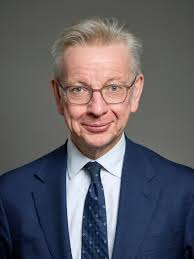
A New Chapter for a Political Heavyweight
Michael Gove, now a member of the House of Lords since 2025, previously held senior Cabinet positions in Conservative governments between 2010 and 2024. His transition from frontline politics marks the end of an era for one of Britain’s most consequential ministers of recent times.
Cabinet Minister Michael Gove stood down as a member of Parliament, adding to Prime Minister Rishi Sunak’s struggles during the opening days of campaigning ahead of the July 4 general election. As he joined a growing parliamentary exodus, Mr Gove praised Rishi Sunak for espousing “the very best virtues” of the Tory party but said “it is time to leave” and that “there comes a moment when you know that it is time to leave”.
A Return to Journalism and the House of Lords
Following his departure from the Commons, Gove was appointed editor of The Spectator by the magazine’s new proprietor, Sir Paul Marshall in September 2024, taking on the role at the start of October. This represented a return to his journalistic roots after nearly two decades in politics.
In April 2025, it was announced that Gove would be created a life peer as part of Sunak’s resignation honours list, and on 13 May 2025 he was created Baron Gove, of Torry in the City of Aberdeen. He was introduced to the House of Lords on 22 May 2025.
A Legacy of Consequential Reforms
Both supporters and opponents recognised that Gove has been one of the more consequential government ministers of the last 14 years, with the question of why Gove was seemingly able to grip the civil service and land some real change one that should exercise an incoming government. In his nearly 20 years as an MP, Mr Gove, a former journalist, made numerous comebacks to frontline politics, first entering Lord Cameron’s Cabinet as education secretary before siding against him and with Mr Johnson on the Vote Leave campaign during the 2016 referendum.
Lord Gove’s career demonstrates how political figures can successfully transition between journalism and politics, leaving a lasting impact on British public life through education reform, Brexit advocacy, and now media leadership.