

Reform UK Makes History with Dramatic By-Election Win
Introduction: A Pivotal Moment in British Politics
The political landscape of the United Kingdom witnessed a seismic shift in May 2025 when Reform UK won the 2025 Runcorn and Helsby by-election, marking a significant breakthrough for the right-wing party. This victory represents more than just a single parliamentary seat—it signals the growing influence of Reform UK in British politics and reflects mounting dissatisfaction with traditional party politics amongst voters across the country.
Historic Victory by the Narrowest Margin
Sarah Pochin became the Member of Parliament for Runcorn and Helsby in May 2025 and is Reform UK’s first female MP. The result was extraordinary: Pochin won with a majority of six votes, overturning a Labour majority of 14,696 votes from the last general election. It was the closest British post-war by-election result, demonstrating how dramatically political fortunes can shift in a short period.
The by-election was triggered when former Labour MP Mike Amesbury was filmed in October 2024 repeatedly punching a man, was suspended from the Labour Party, and later charged with common assault. This controversy created an opportunity for Reform UK to capitalise on voter frustration.
Broader Context: Reform UK’s Rising Influence
The Runcorn and Helsby victory did not occur in isolation. Reform won 677 seats and gained control of 10 councils in the 2025 United Kingdom local elections, the first time Reform has controlled any councils. This sweeping success across local government demonstrates the party’s expanding appeal beyond traditional strongholds.
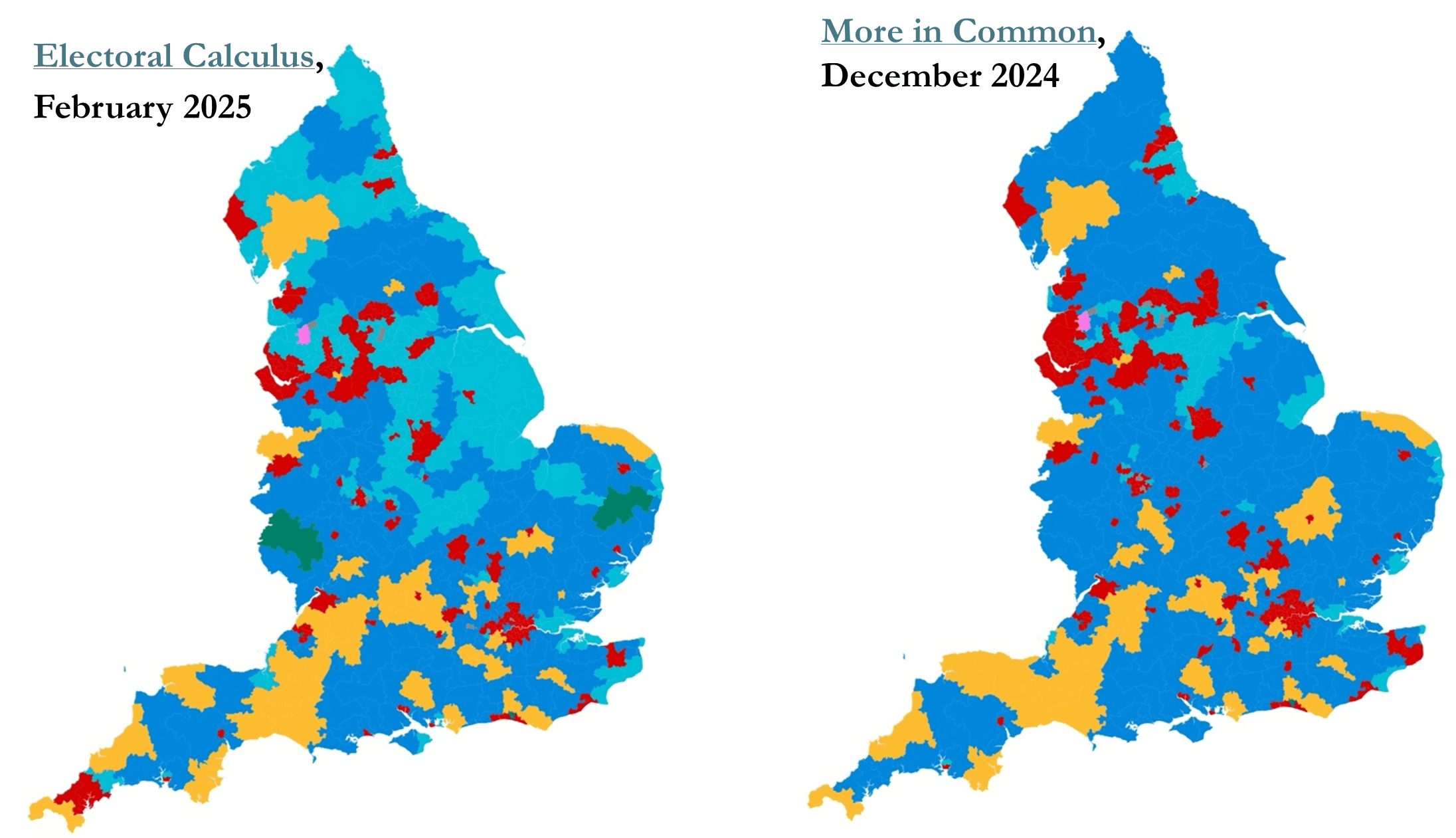
In the 2024 General Election, Reform UK secured more than 4 million votes—14.3 per cent of the total votes cast—winning five seats. The party has now increased its parliamentary representation to five MPs following the Runcorn victory, with Reform topping a national YouGov poll for the first time in February 2025.
Significance for British Politics
The result was seen as a major blow to Prime Minister Keir Starmer, with many Labour MPs singling out cuts to winter fuel payments as a significant factor in the party’s defeat. Reform UK leader Nigel Farage described the result as a ‘very big moment’ for his party and attributed Labour’s defeat to voter frustration on immigration.
For readers, this by-election represents more than a local contest—it reflects deeper currents in British political opinion. The success of Reform UK in overturning such a substantial Labour majority suggests that significant portions of the electorate are seeking alternatives to established parties, particularly on issues such as immigration, public spending, and local regeneration. As the next general election approaches, Reform UK’s ability to convert protest votes into sustained political support will be closely watched by political observers and could reshape the competitive dynamics of British politics for years to come.