

Shadow Attorney General Under Fire Over Abramovich Representation
Understanding the Shadow Attorney General Role
The Shadow Attorney General for England and Wales is an office within British politics held by a member of His Majesty’s Loyal Opposition, with the duty of scrutinising the actions of the Attorney General and developing alternative policies. The Shadow Attorney General is not a member of the Shadow Cabinet, but attends its meetings. This position plays a crucial role in holding the government accountable on legal and constitutional matters whilst preparing the opposition to govern.
Lord Wolfson and the Abramovich Controversy
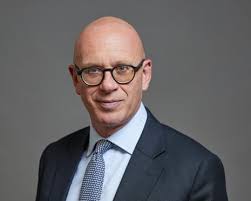
Lord David Wolfson KC has been appointed as the Shadow Attorney General. However, his appointment has sparked significant political controversy. Labour has demanded that Conservative leader Kemi Badenoch disclose whether she knew that David Wolfson was due to join the legal team for Roman Abramovich, the oligarch attempting to recover billions in frozen assets in the Channel Islands.
Anna Turley, the Labour party chair, called on Badenoch to make clear that nobody representing a man currently under British sanctions can serve around her shadow cabinet table. Sir Keir Starmer has hit out at the Tory frontbencher who is sitting in the shadow cabinet while he acts as a lawyer for Russian oligarch Roman Abramovich. The case involves more than £5.3 billion of assets linked to the sanctioned oligarch.
Political Implications and Responses
Justice minister Jake Richards stated that Wolfson should either quit the shadow cabinet or leave Abramovich’s legal team. The controversy raises fundamental questions about conflicts of interest in political roles, particularly when opposition politicians maintain legal practices alongside their parliamentary duties.
The Conservative Party has defended Lord Wolfson’s position, whilst Labour continues to press the issue. This debate highlights the delicate balance between lawyers’ professional obligations and political responsibilities, with significant implications for how opposition parties structure their leadership teams and manage potential conflicts of interest in an increasingly complex political landscape.