

South Africa Charts Path Forward Amid Economic Reforms and Security Challenges
Introduction: A Nation at a Crossroads
South Africa stands at a pivotal moment as 2025 draws to a close, balancing economic opportunities with pressing security and social challenges. As one of Africa’s largest economies, the nation’s trajectory has significant implications not only for its 62 million citizens but for the broader sub-Saharan African region. Recent developments highlight both the progress made and the obstacles that remain on the path to sustainable growth and prosperity.
Economic Outlook: Modest Growth with Reform Momentum
The International Monetary Fund recently conducted meetings with South African authorities, focusing on policies to ensure macroeconomic stability and structural reforms needed to lift potential growth, create jobs, and reduce poverty and inequality. Growth is now expected to reach 1.3% in 2025 and 1.4% in 2026, up from earlier projections of 1.1% and 1.2%, respectively.
The South African economy has proven resilient to renewed global turbulence this year, owing to its abundant mineral wealth, independent institutions, credible inflation-targeting framework, flexible exchange-rate regime, and deep domestic capital markets. South Africa’s recent removal from the FATF grey list marks an important milestone. With a 3% inflation target in place, inflation is expected to ease to 3.3% in 2025, 3.6% in 2026, and settle at 3% from end-2027.
Security Crisis: Mass Shooting Highlights Violence Challenge
Amidst economic progress, South Africa continues to grapple with severe security challenges. At least nine people were killed and 10 wounded when armed men opened fire at a tavern in a township near Johannesburg, with a manhunt by Gauteng Serious and Violent Crime Investigations under way. With almost 26,000 homicides in 2024, or more than 70 per day on average, South Africa has one of the highest homicide rates in the world, with firearms being the leading cause of death in these killings.
Structural Reforms: The Path to Sustainable Growth
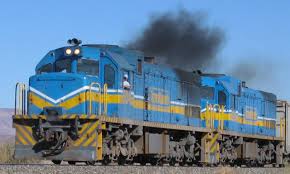
The authorities have advanced structural reforms, with notable progress made under Operation Vulindlela to increase electricity generation, including from renewable sources, and allow for private-sector participation in freight rail and ports. According to the IMF, South Africa’s state-led development model has ‘reached its limits’, and with public finances under strain, the private sector must become the primary engine of job creation and growth through more ambitious structural reforms.
Conclusion: Opportunities and Challenges Ahead
South Africa’s journey forward requires balancing immediate security concerns with long-term economic transformation. While the revised growth forecasts and successful reforms offer reasons for optimism, persistent challenges including high unemployment, poverty, and violence demand sustained attention. The nation’s ability to unlock private sector potential while addressing social inequalities will determine whether it can achieve the sustainable prosperity its citizens deserve. For international observers and investors, South Africa remains a critical market whose success or failure will reverberate across the African continent.