

The Implications of Gerrymandering in Modern Politics
Introduction
Gerrymandering, the practice of manipulating electoral district boundaries to favour one party over another, has been a contentious issue in political discourse. With elections being the cornerstone of democracy, understanding gerrymandering’s implications is crucial for voters, policymakers, and political analysts. As debates intensify around fair representation and electoral integrity, the relevance of gerrymandering cannot be overstated.
What is Gerrymandering?
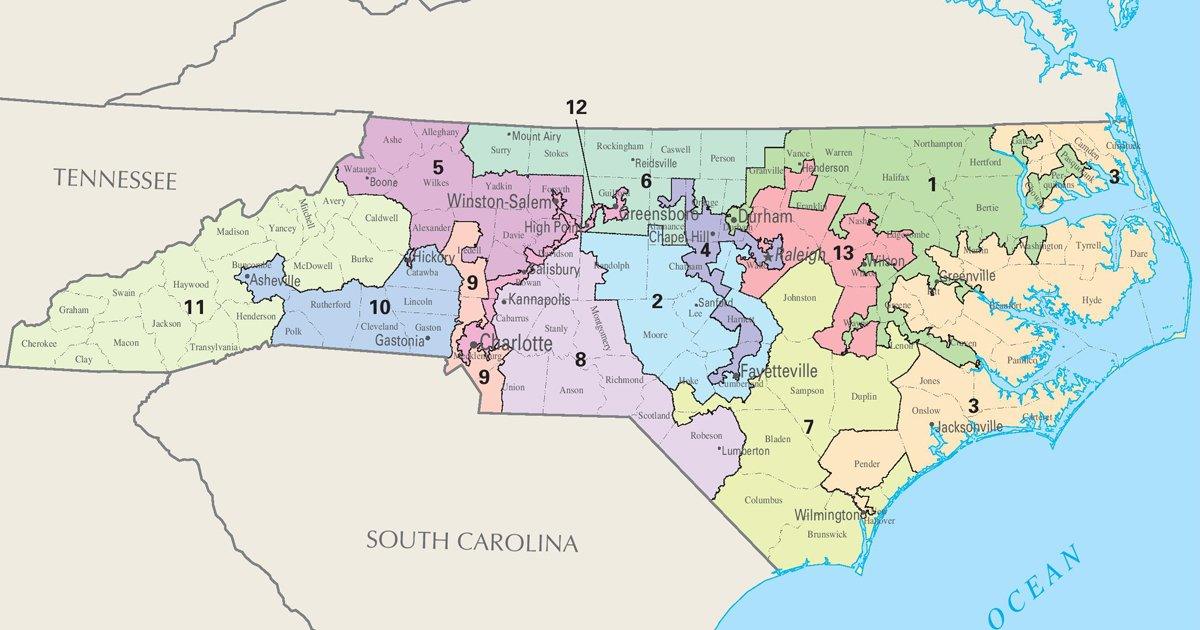
Gerrymandering occurs when political officials redraw district lines in a way that skews representation. This can lead to outcomes where the party in power solidifies its control by ensuring certain demographics are grouped together or separated across districts. Techniques such as ‘cracking’ (diluting a particular group’s voting power) and ‘packing’ (concentrating voters of one type into a single district) are commonly used.
Recent Developments
In the United States, gerrymandering has faced significant scrutiny, especially following the 2020 Census, which prompted redistricting nationwide. Various states have seen legal challenges to their district maps. For example, the U.S. Supreme Court’s ruling in Rucho v. Common Cause (2019) stated that partisan gerrymandering claims are non-justiciable, leaving it to state legislatures to make changes. However, some states have adopted independent commissions to oversee the redistricting process, aiming to create fairer districts.
Moreover, this practice is not restricted to the U.S. In other countries, gerrymandering manifests differently but retains the same intent of skewing electoral fairness. The rise of populist movements and changing demographics further complicate the political landscape.
The Importance of Addressing Gerrymandering
Gerrymandering undermines public trust in elections, disenfranchises voters, and can lead to more extreme partisan divisions. As voters become increasingly aware of these issues, there is a growing demand for reforms that emphasise transparency and accountability in the electoral process. Advocacy groups continue to push for the adoption of fair redistricting methods, which could mitigate partisan manipulation.
Conclusion
The future of gerrymandering and its impact on political landscapes depends significantly on public engagement and legislative action. As reform movements gain momentum, there is hope that the electoral process will evolve toward greater fairness and increased voter representation. For voters, being informed about gerrymandering is a step toward reclaiming agency in the democratic process. Staying updated on changes in legislation and participating in conversations about electoral fairness is crucial for ensuring that their voices are heard in a truly representative democracy.