

The Political Influence of Mitch McConnell
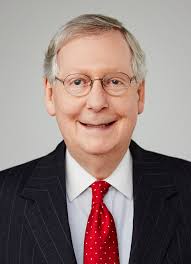
Introduction
Mitch McConnell, the minority leader of the U.S. Senate and a key figure in American politics, continues to have a profound impact on legislative processes and national policies. His strategic approach and long-standing experience make him a pivotal player in both the Republican Party and the broader political landscape. As America faces pressing issues like inflation, healthcare, and foreign policy, examining McConnell’s latest actions and strategies sheds light on his influence and the possible outcomes for upcoming legislative sessions.
Background and Current Role
First elected to the Senate in 1984, McConnell has served as Senate Majority Leader and currently holds significant sway as the Minority Leader following the 2020 elections. His adeptness in navigating party dynamics, coupled with his ability to unite diverse Republican factions, has made him a central figure in guiding party policies and priorities. Recently, he has been vocal about the need for unified Republican responses to critical issues, particularly concerning budgetary reforms and economic strategies intended to combat rising inflation.
Recent Developments
On September 30, 2023, McConnell played a key role during negotiations over the federal budget, advocating for spending cuts while also addressing urgent emergency funding needs related to natural disasters impacting various states. His recent statements suggest a continued emphasis on fiscal responsibility, as he pushed back against potential inflationary spending. This positions him as not only a defender of conservative fiscal principles but also a pragmatic leader willing to compromise when necessary for the sake of national interests.
Moreover, McConnell’s relationship with other Republican leaders and his ongoing dialogues regarding the party’s direction suggest a strategic foresight aimed at maintaining a collective Republican front leading into the 2024 elections. Notably, he expressed concerns about election integrity and urged his colleagues to prioritize these issues as part of their campaign platforms.
Conclusion
As Mitch McConnell navigates the complexities of leadership in a divided Senate, his ability to influence legislative outcomes and shape party strategy will be crucial in the coming months. With crucial elections on the horizon, McConnell’s actions could define the Republican approach to key national issues, enhancing his legacy as one of the most significant figures in contemporary American politics. Observers and party members alike will watch closely to see how he balances pragmatic governance with the conservative ideals that underpin his career. His legacy, thus far, rests on his capacity to adapt and steer the party through turbulent political waters while remaining a steadfast voice in defence of Republican values.