

Tom Tugendhat: A leading voice on UK foreign policy
Introduction
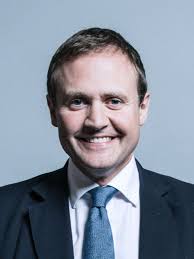
Tom Tugendhat is a prominent Conservative politician whose military background and parliamentary roles have made him one of the United Kingdom’s most visible voices on foreign policy and national security. Understanding his positions matters because they influence parliamentary scrutiny of government policy, public debate on defence and Britain’s relationships with allies, and potential future ministerial responsibilities.
Main body
Background and parliamentary role
Tugendhat served as a British Army officer with deployments overseas before entering politics. He was first elected as the Member of Parliament for Tonbridge and Malling in 2015. In Parliament he built a reputation for focusing on international affairs and security. He has chaired and contributed to foreign policy debates and has been widely cited for his views on defence, diplomatic engagement and the rules-based international order.
Policy positions and public interventions
Across speeches, committee work and media contributions, Tugendhat has been a consistent proponent of robust support for allies and stronger responses to coercive behaviour by states that challenge international norms. He has spoken frequently about the security implications of Russia’s actions in Europe and the need for sustained support for Ukraine, and he has emphasised the importance of intelligence, defence investment and closer co‑operation with NATO partners.
Political activity
Beyond committee work, Tugendhat has engaged in internal party debates and national leadership discussions. He was a candidate in the 2022 Conservative leadership contest, reflecting his willingness to set out a wider agenda for the party and for government leadership, and he continues to be an influential figure within Conservative circles on questions of strategy and security.
Conclusion
Tom Tugendhat’s combination of military experience and parliamentary prominence means his interventions carry weight in debates over Britain’s international posture. For readers, his views are a useful indicator of one strand of Conservative thinking on defence, alliances and foreign policy. Looking ahead, Tugendhat is likely to remain a central commentator and potential policy-maker on national security issues, shaping how the UK balances diplomatic engagement, defence spending and support for partners in an increasingly contested global environment.