

Trump Threatens to Deploy Military Under Insurrection Act Following Minneapolis Protests
Understanding the Insurrection Act
The Insurrection Act is a law signed by President Thomas Jefferson in 1807 that grants the president extraordinary powers to deploy military forces on U.S. soil for domestic law enforcement purposes. Invoking the act allows the president to deploy the military to assist civilian authorities with law enforcement, providing a temporary exception to what’s called the Posse Comitatus Act, which forbids the military from taking such action to ensure constitutional freedoms.
Recent Developments in Minneapolis
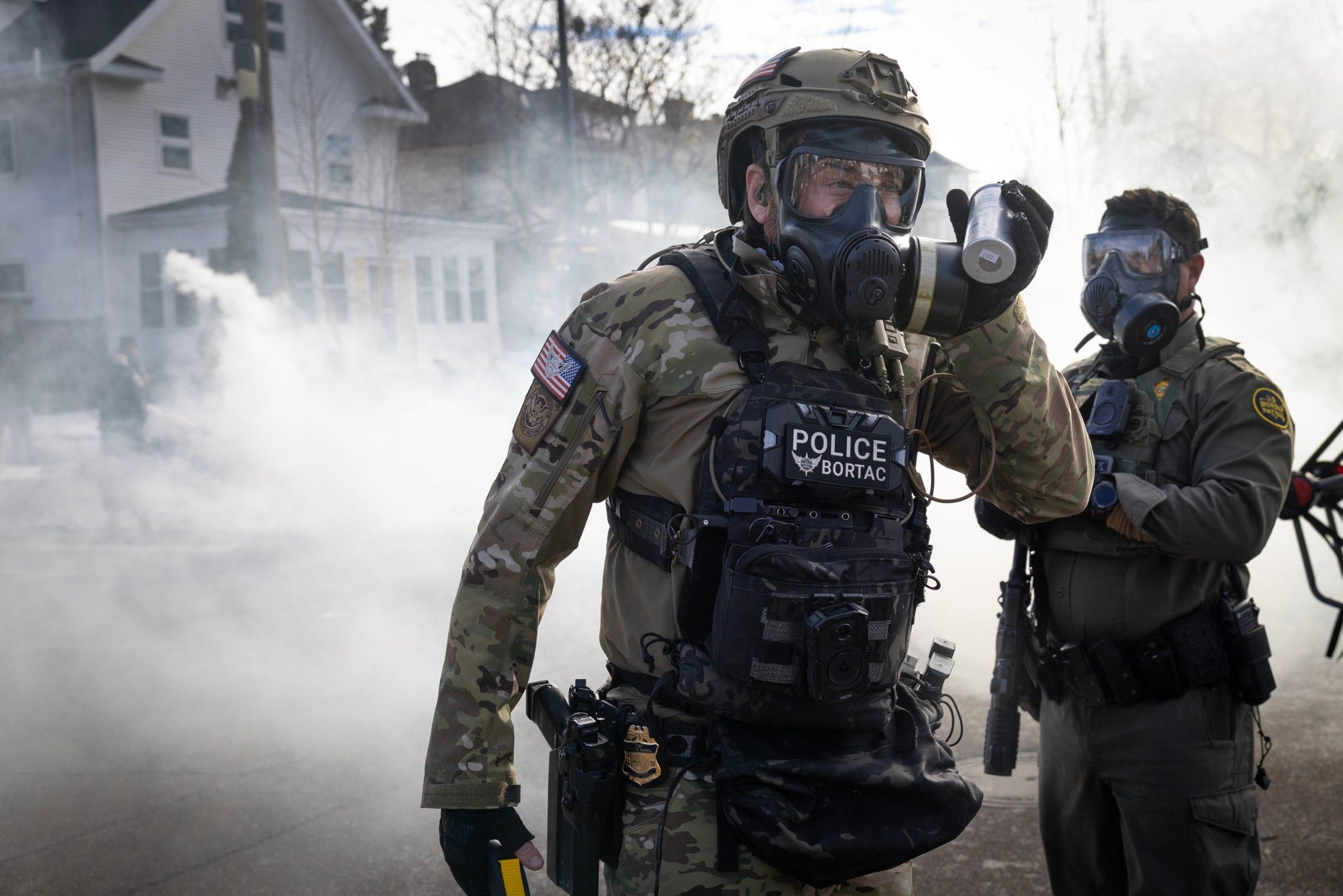
President Donald Trump on Thursday threatened to invoke the Insurrection Act in response to rising tensions between protesters and federal personnel in Minneapolis. The threat comes following a week after an Immigration and Customs Enforcement agent fatally shot a 37-year-old Minneapolis woman, Renee Macklin Good, which sparked protests nationwide against ICE’s continued presence. Trump’s threat came hours after the second ICE shooting in the Twin Cities in a week, when an agent shot a Venezuelan man in the leg.
Nearly 3,000 federal immigration agents have flooded the Twin Cities, more than the combined police forces of Minneapolis and St. Paul. This massive deployment has created unprecedented tensions, with Minneapolis Mayor Jacob Frey describing the situation as not ‘sustainable’ and ‘an impossible situation that our city is presently being put in’.
Historical Context and Implications
The law is rarely used, with President George H.W. Bush being the last to invoke it during the Los Angeles riots in 1992. The Insurrection Act has been invoked in response to 30 crises over its history, including by presidents Dwight D. Eisenhower and John F. Kennedy to desegregate schools after the Supreme Court’s landmark ruling in Brown v. Board of Education.
Deploying the military for domestic law enforcement purposes usually requires congressional authorization, but invoking the 19th-century law would permit Trump to do so unilaterally. It also allows for the federalization of National Guard troops under certain circumstances.
Legal and Political Responses
Minnesota Attorney General Keith Ellison argued there were no grounds to invoke the Insurrection Act and stated that if Trump does invoke it, he is prepared to challenge that action in court. Homeland Security Secretary Kristi Noem said Thursday she has had conversations with Trump about the possibility of using the Insurrection Act in response to the Minneapolis protests.
What This Means for the Future
The potential invocation of the Insurrection Act represents a critical moment for federal-state relations and civil liberties in America. The Insurrection Act would allow the president to effectively bypass court rulings and tap authority scholars have warned is overly broad and ripe for misuse. As tensions continue in Minneapolis, the nation watches to see whether this rarely-used presidential power will be exercised for the first time in over three decades, potentially setting a significant precedent for how federal authority can override state governance in domestic disputes.