

Understanding the EU Countries and Their Importance
Introduction
The European Union (EU) comprises 27 countries collectively working towards economic integration, democratic values, and political stability. Established to foster cooperation among European nations after World War II, the EU has become a significant player on the global stage, influencing trade, politics, and international relations. As the landscape continues to evolve, understanding the EU and its member countries is crucial for comprehending current events and macroeconomic trends.
Current Member Countries
The EU currently consists of 27 member states, ranging from the largest in terms of population, Germany, to smaller nations like Malta. The countries span across various regions, including the Baltic states, Mediterranean countries, and Central Europe. The member nations are:
- Austria
- Belgium
- Bulgaria
- Croatia
- Cyprus
- Czech Republic
- Denmark
- Estonia
- Finland
- France
- Germany
- Greece
- Hungary
- Ireland
- Italy
- Latvia
- Lithuania
- Luxembourg
- Malta
- The Netherlands
- Poland
- Portugal
- Romania
- Slovakia
- Slovenia
- Spain
- Sweden
This diversity provides the EU with a rich cultural tapestry and a broad spectrum of economic opportunities, but it also presents challenges in terms of governance and policy-making.
Significance in Today’s Political Landscape
The EU plays a vital role in the global economy, accounting for a significant portion of world trade. Recently, it has been at the forefront of addressing critical issues such as climate change, digital innovation, and public health, particularly highlighted during the COVID-19 pandemic. The EU has coordinated responses to these challenges, showcasing the importance of collective action among member states.
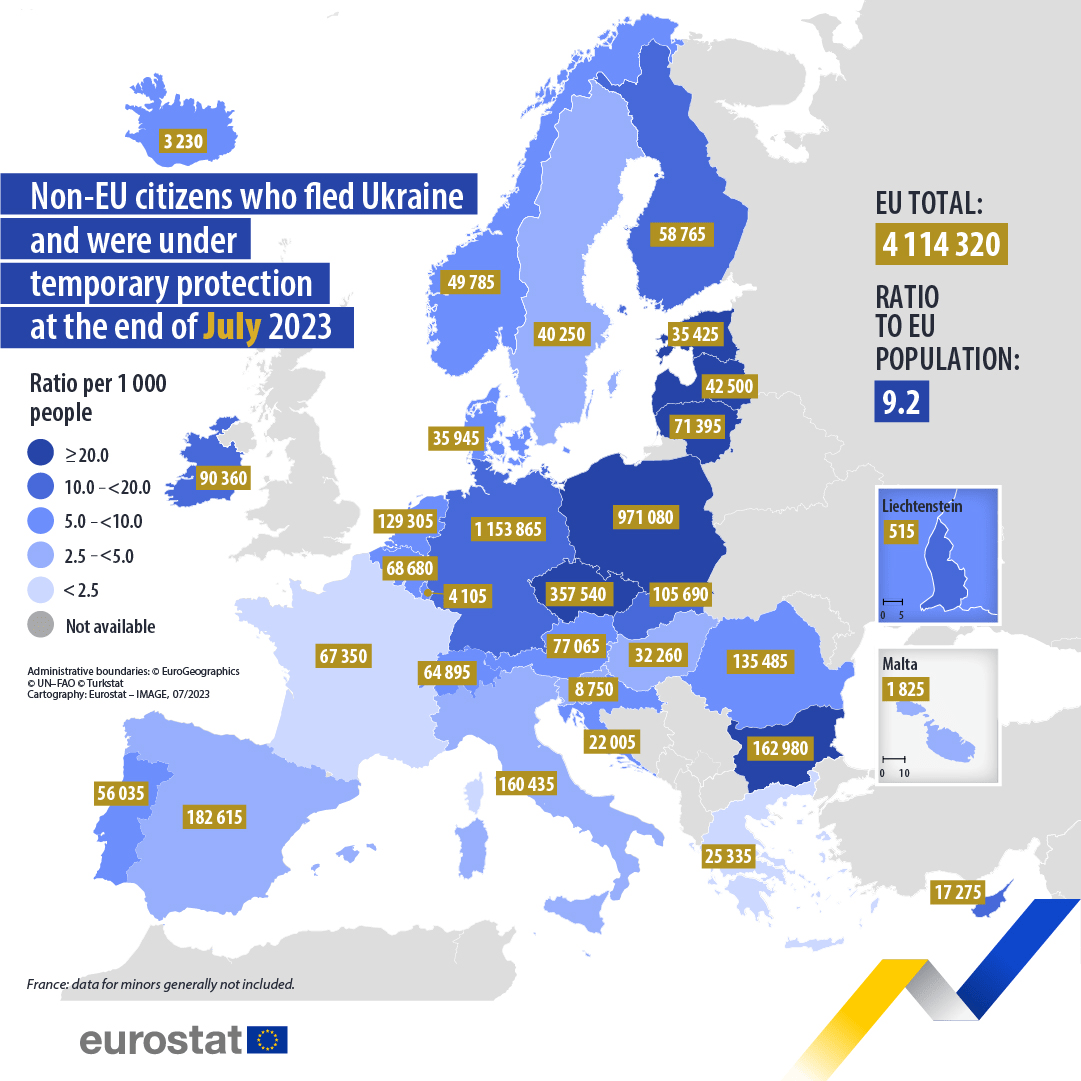
Additionally, the EU is also navigating complex geopolitical tensions, particularly with neighbouring countries and emerging powers. The ongoing conflict in Ukraine has seen the EU take a united stance against aggression, reinforcing its role as a stabilising force in Europe.
Conclusion
In conclusion, the EU member countries are vital components of a larger political and economic framework that influences both regional and global affairs. Understanding these nations and their collaborative initiatives provides critical insights into contemporary issues ranging from trade agreements to security policies. As the world continues to change, the EU will remain a key player, adapting to new challenges while striving to maintain peace and prosperity in Europe.