

What Is Family Voting and Why It Matters
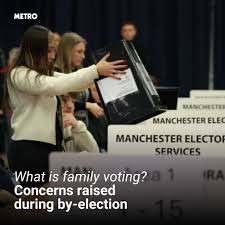
Introduction: Why understanding family voting matters
The question what is family voting is increasingly relevant in discussions about electoral integrity and voter rights. Family voting refers to situations in which members of the same household or family influence, observe or directly participate in how one person casts their ballot. This practice can undermine the principle of a secret ballot and affect the fairness of elections, particularly where pressure, coercion or vote buying are risks. Understanding the phenomenon helps voters, election officials and observers recognise vulnerabilities and protect free choice.
Main body: Defining family voting and its contexts
What is family voting?
At its simplest, family voting occurs when family members vote together in a way that compromises individual secrecy. This can take different forms: a voter being coached or told whom to choose, another person filling out a ballot on behalf of a relative, or multiple family members entering a polling booth together. It also appears when ballots are completed at home with the direct involvement of relatives, particularly with postal or proxy voting.
Why it matters
Family voting is important because it can distort electoral outcomes by reducing the independence of individual decisions. In communities where social, economic or cultural pressures are strong, family-led voting can turn private preference into public compliance. Election administrators, candidates and civil society groups often flag family voting as a concern where it intersects with other threats such as intimidation, vote buying or lack of voter education.
Mitigations and safeguards
Electoral systems use several measures to reduce the risk of family voting. Common approaches include ensuring private voting booths, clear rules that only the voter may mark their ballot, voter education campaigns emphasising the secrecy of the ballot, and training for polling staff to detect and address undue influence. For absentee and postal ballots, safeguards include secure handling procedures, identity verification and guidance on completing ballots independently.
Conclusion: Implications and outlook
Recognising what is family voting helps stakeholders focus on practical steps to protect the secrecy and integrity of elections. While familial support or discussion about politics is normal, legal and procedural safeguards aim to ensure that the final act of voting reflects each individual’s free choice. As voting methods evolve—especially with more postal and assisted voting options—attention to family voting will remain a key part of efforts to uphold democratic standards and public confidence in election results.