

What Is Happening in Iran: Unprecedented Protests Challenge the Regime
Introduction: Iran’s Growing Crisis
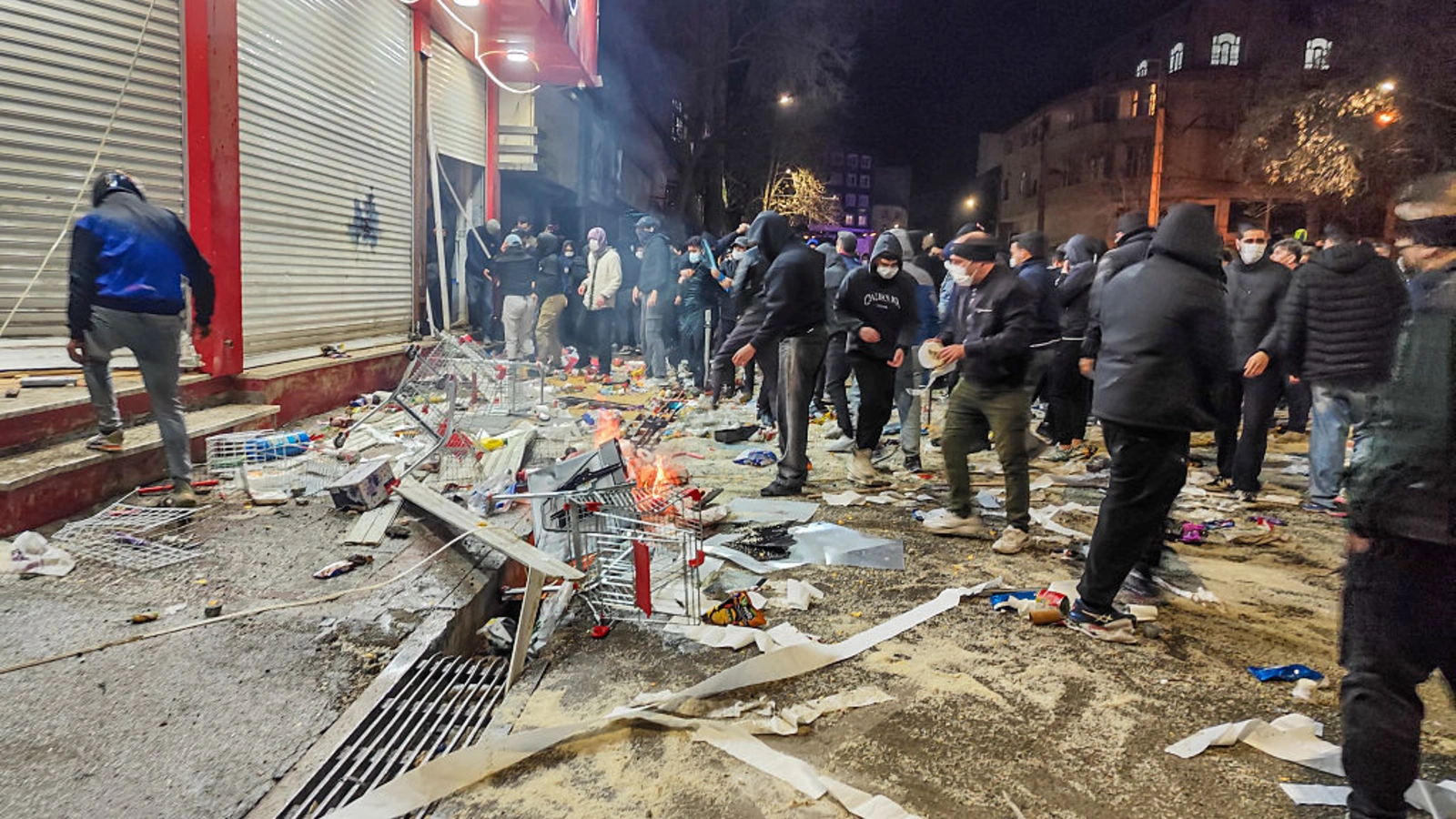
Iran is experiencing one of its most significant political crises in recent years as anti-government protests continue to intensify across the country. The Iranian army says it will defend the country’s “national interests” as antigovernment protests continue to escalate amid widespread arrests and an internet blackout. These demonstrations, which have now entered their second week, represent a critical moment for the Islamic Republic as citizens from various social classes unite in demanding change. The situation has drawn international attention, with President Donald Trump saying the United States was examining very strong options regarding Iran, adding geopolitical tensions to an already volatile domestic situation.
The Scale of the Unrest
The protests have spread rapidly across Iran, affecting major cities and smaller towns alike. According to the Washington D.C.-based Human Rights Activists News Agency, at least 116 people had been killed, including at least 37 members of the security forces, with more than 2,600 people arrested, and protests recorded in at least 185 cities. Those who were killed died by live ammunition or pellet gunfire, predominantly from close range. The Iranian authorities have responded with force, with Iran’s Tasnim news agency saying that at least 200 “riot” leaders had been arrested.
Government Response and Internet Blackout
In response to the escalating protests, Iranian authorities have implemented severe measures to control information flow and suppress dissent. Iranian authorities are enforcing an internet blackout after protests escalated in Tehran. Iran’s Prosecutor General said that protesters would be considered an “enemy of God,” a death-penalty charge in the Islamic Republic. Despite the communications blackout affecting ordinary citizens, Iran’s supreme leader, Ayatollah Ali Khamenei, continued to post on X, using the platform to call protesters “a bunch of people bent on destruction” and to criticize US President Donald Trump.
Conclusion: An Uncertain Future
The ongoing crisis in Iran represents a significant challenge to the Islamic Republic’s authority. Unlike the Women, Life, Freedom protests that swept across Iran in 2022, the current demonstrations were launched by bazaar merchants and spread to working-class communities—groups the authorities are wary of alienating. Ali Vaez, the director of the Iran Project at the International Crisis Group, said that even if the Iranian authorities can suppress the current protest movement, they will not be able to “address the underlying causes” of the unrest. As the situation develops, the world watches closely to see whether Iran will find a peaceful resolution or whether the confrontation between the government and its people will intensify further.