

What to know about the 2026 texas primary
Introduction: Why the Texas primary matters
The texas primary is a pivotal moment in the 2026 election cycle, with high‑stakes contests up and down the ballot that will shape campaigns heading into November. Voters and parties alike are watching closely: Democrats hope to win statewide for the first time since 1994, while Republicans face internal divisions that could reshape their ticket. Understanding the major races and the voting rules is essential for anyone following the state’s political trajectory.
Main developments and key races
High-profile U.S. Senate contest
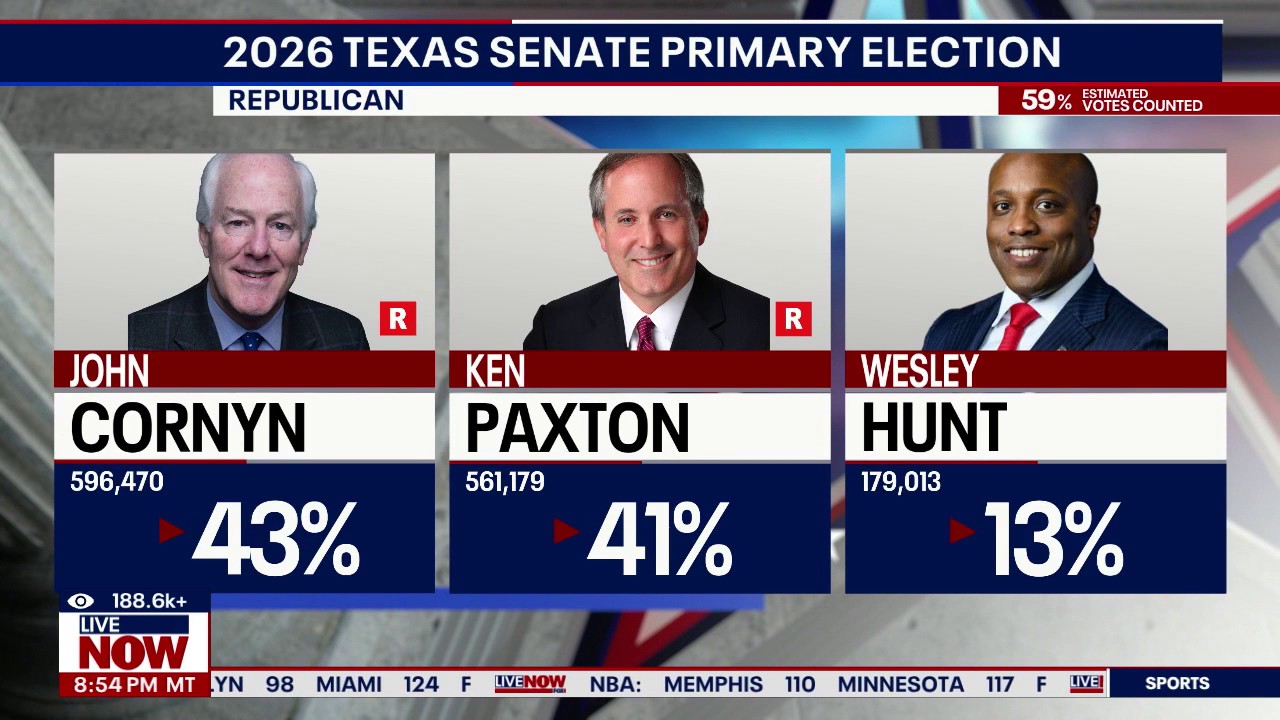
One of the most closely watched battles is the Republican U.S. Senate primary. Incumbent Sen. John Cornyn faces stiff competition from Texas Attorney General Ken Paxton and U.S. Rep. Wesley Hunt. Media coverage has characterised Cornyn’s position as “the fight of his political life,” reflecting how competitive the race has become within the GOP. On the Democratic side, the Senate primary highlights differing styles and strategies as Democrats vie for a chance to break the long run of Republican statewide victories.
House and state legislative fights
At the congressional level, U.S. Rep. Jasmine Crockett is engaged in a closely contested Democratic primary with state Rep. James Talarico, among other competitive House matchups. Republicans currently hold an 18–12 majority in the Texas State Senate, a balance that will be tested as both parties aim to strengthen their positions in the legislature ahead of November.
Practical rules voters should know
Texas primary voting rules affect turnout and strategy. Voters are not required to be registered with a party to cast a primary ballot, but when they enter the polling place they must choose between the Republican or Democratic ticket and may only select candidates from that one party. If no candidate in a race receives at least 50% of the vote in March, the top two finishers proceed to a runoff scheduled for 26 May.
Conclusion: What to expect next
The texas primary will determine nominee dynamics across federal and state contests and could presage shifts ahead of November. Close primaries and potential runoffs on 26 May mean that many races may remain unresolved after March, keeping campaigns active and voters engaged. For readers, the immediate significance is clear: primary outcomes will set the choices available in the general election and influence the parties’ strategies for the months ahead.