

Understanding the Land Registry and Its Role in Property
Introduction: Why the land registry matters
The land registry is central to modern property markets. It provides an authoritative record of ownership and interests in land, creating certainty for buyers, sellers, lenders and public authorities. Reliable registration reduces transaction costs, helps prevent disputes and supports broader economic activity by making property rights visible and enforceable.
Main body
What a land registry does
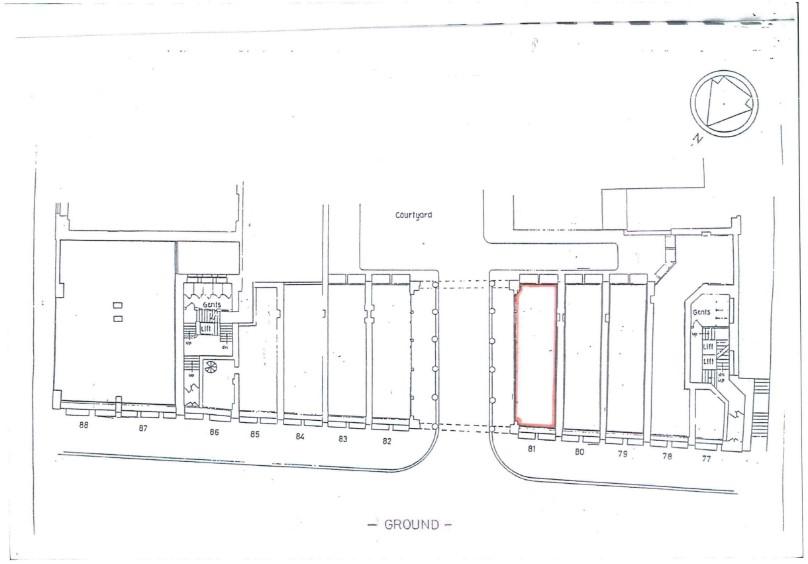
At its core, a land registry records who owns land and the rights or restrictions that affect it, such as mortgages, easements or covenants. Registered records allow prospective purchasers and lenders to check title information quickly. Many systems also record historical transactions and provide maps or plans that define parcel boundaries. Registration does not always create title from scratch but usually reflects and confirms existing legal rights.
Practical effects on transactions
For individuals and businesses, registration simplifies conveyancing by reducing the need for extensive historical investigation of title. Lenders rely on registered charges to secure loans. Public bodies use registry information for planning, taxation and infrastructure projects. Accuracy and accessibility of the register therefore have direct effects on market confidence and the speed of property deals.
Trends and challenges
Many registries are undergoing digital transformation to improve searchability, speed and security. Digitisation can reduce paperwork and speed up transactions, but it also introduces new risks, such as cyber security threats and the need to guard against electronic fraud. Maintaining accuracy when records are updated, resolving boundary disputes and ensuring equitable access to information are ongoing operational challenges.
Fraud prevention and transparency
Transparent and well-maintained registers help deter fraudulent claims by making ownership public and verifiable. Many jurisdictions complement registration with identity checks, verification procedures and public guidance to protect consumers and lenders.
Conclusion: Significance and outlook
The land registry remains a foundational institution for property markets, governance and investment. Continued improvements in digital services, combined with strong safeguards, are likely to increase efficiency and reduce risk. For readers, understanding how the registry operates can help when buying, selling or borrowing against property and underscores the importance of up-to-date, accurate records.