

Understanding Flood Warnings: What Residents Need to Know
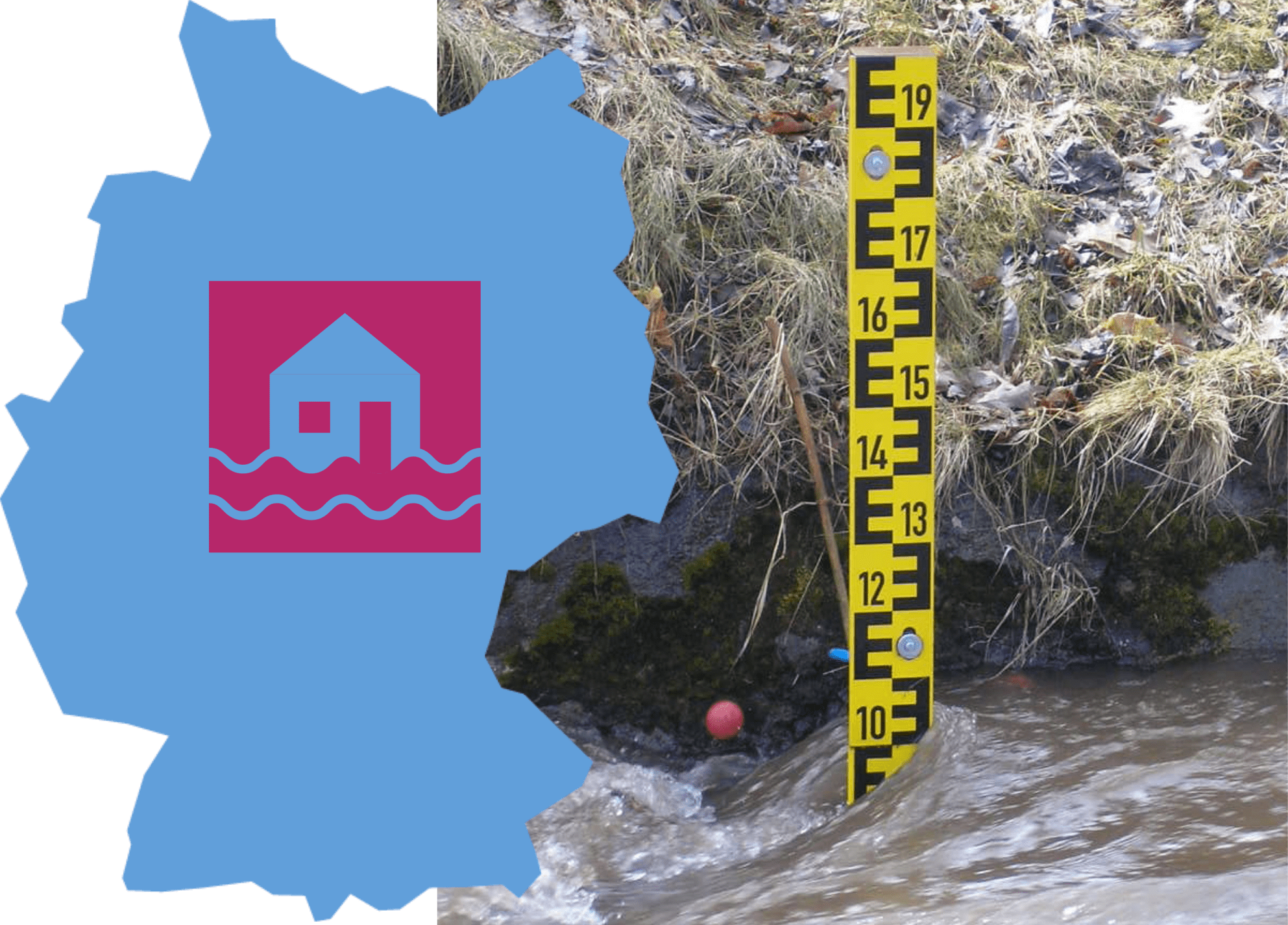
Introduction: Why flood warnings matter
Flood warnings play a vital role in protecting life and property when water levels rise. Timely, clear warnings allow households, businesses and emergency services to take action before flooding occurs. With seasonal heavy rainfall and storm events increasingly affecting populated areas, understanding what a flood warning means and how to respond is relevant for everyone living in flood‑prone locations.
Main body: How flood warnings work and what to do
How warnings are issued
Meteorological and hydrological agencies monitor rainfall, river levels and coastal conditions and use models to assess flood risk. When indicators suggest that flooding is possible or likely, authorities issue warnings through multiple channels—radio, television, official websites, mobile alerts and social media. Warnings are designed to convey the level of risk and suggested actions for the public and emergency responders.
Typical warning information
A flood warning will usually describe the area at risk, the expected timing of flooding and the likely impacts. It may advise people to avoid low‑lying roads, move possessions to safety, or prepare to evacuate. Authorities often provide guidance on practical measures—securing valuables, turning off utilities where safe, and following instructions from emergency services.
Immediate steps for residents
On receiving a flood warning, residents should stay informed via official channels and avoid travelling through flooded roads. Move people, pets and important documents to higher ground, and unplug electrical appliances if safe to do so. If evacuation is advised, follow the route and locations shown by local authorities and do not enter floodwater on foot or in a vehicle.
Conclusion: Significance and how to prepare
Flood warnings give precious time to reduce harm and manage disruption. For households, simple preparedness—knowing local risks, having an emergency kit, and signing up for official alerts—can make a significant difference. For communities and organisations, integrating warning systems into planning and response arrangements enhances resilience. Paying attention to flood warnings and acting promptly helps protect lives and speeds recovery when flooding occurs.