

What to do during a flood warning: Guidance from Boulder authorities
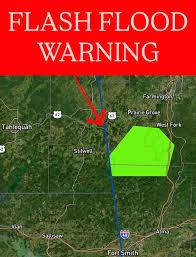
Why flood warnings matter
Flood warnings are critical because flash floods can develop rapidly and threaten lives and property. Local authorities emphasise that changes to the landscape can increase flash flood risk, and in some cases floods can occur with as little as 45 minutes’ warning. For residents and visitors in affected areas, understanding and responding quickly to a flood warning can make the difference between staying safe and being put at risk.
Immediate actions when a flash flood warning is issued
Follow official instructions
If you receive a flash flood warning, act immediately. Local emergency management guidance from Boulder indicates that the safest initial action is to move to higher ground as soon as possible. Where evacuation is not possible or safe, seek refuge on the highest floor of your building to reduce exposure to rising water.
Practical considerations
Because flash floods can arrive with very little notice, planning ahead is essential. Know escape routes to higher ground in your neighbourhood and identify a safe room or upper-floor location in your home. Keep emergency items accessible so you can relocate quickly if required.
Monitoring forecasts and local alerts
The National Weather Service and local Boulder agencies issue specific alerts — including Severe/Flash Flood, Winter Weather, High Wind Potential and Fire Weather warnings — tailored to different hazards. Official regional systems allow users to click on their area for more detailed information on each warning, watch or advisory. Keep devices configured to receive local alerts and consult trusted official sources for the latest guidance.
Conclusion: preparedness and attention to warnings
Flood warnings are short, urgent messages intended to prompt immediate, practical steps. Given that landscape changes can raise flood risk and that flash floods can occur with as little as 45 minutes’ notice, readers should prioritise situational awareness and follow instructions from local authorities. Staying informed through National Weather Service and local channels, knowing your routes to higher ground, and having a plan for rapid movement to safety are the most reliable measures to reduce harm during a flood warning.