

Westminster Cathedral: London’s Principal Roman Catholic Church
Introduction: Why Westminster Cathedral Matters
Westminster Cathedral occupies a prominent place in London’s religious and cultural landscape. As the principal Roman Catholic church in England and Wales and the seat of the Archbishop of Westminster, it serves both worshippers and visitors. Its distinctive architectural style and active programme of services, music and outreach make it a site of ongoing relevance for religious life, tourism and the wider community in the capital.
Main body: Architecture, Worship and Public Role
Architecture and interior
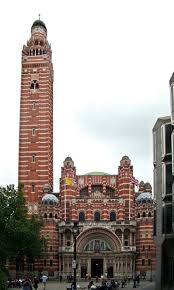
Westminster Cathedral is widely recognised for its striking design, which contrasts with nearby ecclesiastical landmarks. The building’s exterior and interior reflect a style that draws on Byzantine influences, and many visitors note the prominence of mosaics and rich decorative elements inside. The cathedral’s layout and visual character contribute to its reputation as an important example of religious architecture in London.
Religious functions and music
As the mother church of the Catholic community in the region, the cathedral hosts regular liturgies, sacraments and special services that attract local congregations and pilgrims. Music is a significant feature of life at the cathedral: choirs, organ music and choral services form part of its liturgical identity. The venue is also used for concerts and events that draw audiences beyond the regular worshipping community.
Public engagement and guidance for visitors
Westminster Cathedral welcomes visitors for both prayer and sightseeing. Visitors are advised to respect worship times and the sacred character of the space. The cathedral typically provides information about visiting hours, guided tours and any public events; prospective visitors should consult the cathedral directly for the latest practical details.
Conclusion: Continuing Significance
Westminster Cathedral remains a focal point for Catholic worship and an accessible cultural landmark in central London. Its architectural distinction, active liturgical life and public programming ensure it continues to serve religious needs while offering educational and cultural value to visitors. For readers, the cathedral represents both a place of faith and a destination for those interested in London’s diverse religious heritage — a role likely to continue into the foreseeable future.