

The Bishop of Lincoln: Role, Reach and Regional Importance
Introduction: Why the Bishop of Lincoln Matters
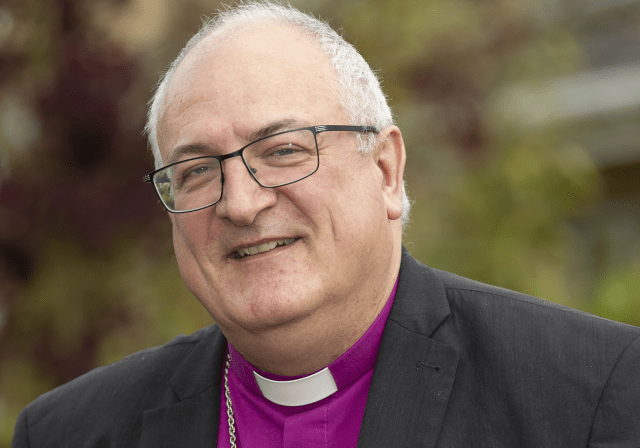
The bishop of Lincoln occupies a prominent position within the Church of England and the wider civic life of eastern England. As the diocesan bishop whose seat is at Lincoln Cathedral, the office combines spiritual leadership with stewardship of historic religious and cultural assets. The topic matters to local communities, faith groups and heritage organisations because the bishop influences pastoral care, diocesan strategy and the conservation of one of the nation’s most significant medieval cathedrals.
Main body
Role and responsibilities
The bishop of Lincoln serves as the ordinary of the Diocese of Lincoln and is part of the Province of Canterbury. Responsibilities include providing spiritual oversight to clergy and lay ministers, setting priorities for mission and pastoral provision across parishes, and representing the Church of England in civic and interfaith contexts within the diocese. The bishop also plays a leading role in ordinations, confirmations and diocesan governance.
Community leadership and pastoral work
Beyond liturgical duties, the bishop is frequently involved in community initiatives addressing social needs such as poverty alleviation, mental health support and community cohesion. Working with diocesan structures and local partners, the bishop helps shape responses to regional challenges, encouraging parishes to be hubs of support and engagement.
Heritage and cathedral stewardship
Lincoln Cathedral, the historic seat of the diocese, places additional responsibilities on the officeholder. Stewardship of the cathedral involves supporting conservation efforts, promoting access for visitors and maintaining the building’s role as both a place of worship and a cultural landmark. Collaboration with heritage bodies, local authorities and volunteer groups is an enduring part of the bishop’s remit.
Conclusion: Significance and outlook
The bishop of Lincoln remains a central figure for faith, community and heritage across the diocese. Looking ahead, the office will continue to balance pastoral care with practical stewardship of the cathedral and engagement with local civic life. For residents and visitors alike, the bishop’s decisions and priorities will influence how the Church of England responds to social needs and preserves a key piece of national heritage.