

Does China Have Wind Farms? Overview of Wind Energy in China
Introduction: Why China’s Wind Farms Matter
Does China have wind farms? Yes. The scale and pace of wind development in China are central to global efforts to decarbonise power systems and to the country’s own goal of peak carbon emissions and eventual carbon neutrality. Wind energy reduces reliance on coal, supports industrial modernisation and is a key pillar of China’s renewable energy strategy, with both onshore and rapidly expanding offshore projects.
Main developments and current picture
Large-scale onshore deployment
China is the world leader in installed wind capacity, with hundreds of gigawatts installed across vast onshore sites. Large wind bases in inland provinces, notably in Gansu (including the Jiuquan project), Inner Mongolia and Xinjiang, host some of the world’s largest onshore wind clusters. These projects are often developed as part of coordinated wind power bases designed to export electricity to populous eastern provinces via long-distance transmission lines.
Rapid offshore growth
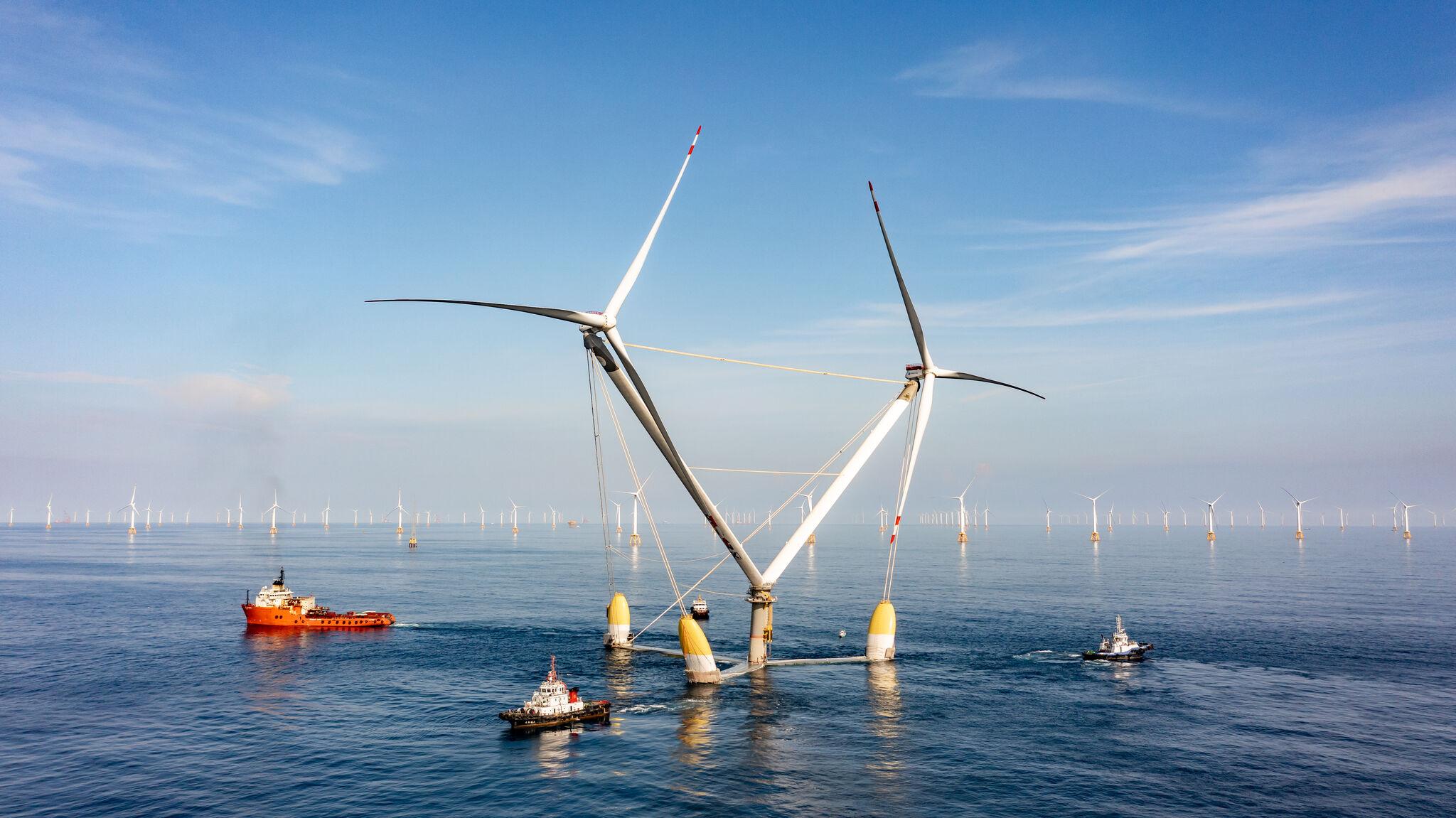
Offshore wind has been a focus in recent years, with deployments concentrated off the east and south coasts near major demand centres. Technological advances, falling costs and policy support have accelerated installation of fixed-bottom turbines and pilot floating platforms to tap deeper waters.
Policy and industry drivers
Chinese government policy, including targets embedded in successive Five-Year Plans and renewable power procurement mechanisms, has driven investment. State-owned power companies, large turbine manufacturers and a growing private sector ecosystem have all contributed to rapid build-out. The central pledge to peak emissions and pursue carbon neutrality has further prioritised renewables in planning.
Challenges
Despite rapid growth, challenges remain: grid integration and curtailment in some wind-rich regions, the need for more storage and transmission capacity, and ensuring projects are economically viable without heavy subsidies as support evolves.
Conclusion: Outlook and significance for readers
China not only has wind farms — it has shaped the global wind industry. Continued deployment, grid upgrades and technological innovation (including floating offshore and energy storage) are likely to sustain growth. For readers, this means faster global decarbonisation, more competitive renewable costs and a shift in where and how wind energy is manufactured and deployed worldwide.