

About Chatham House: The Royal Institute of International Affairs
Introduction: Why Chatham House matters
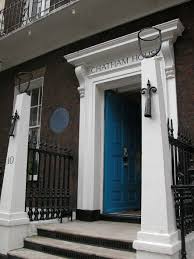
Chatham House, formally the Royal Institute of International Affairs, is a long-established British think tank based in London. Its work on international affairs and public policy is widely regarded as influential because it provides independent analysis, enables informed debate and develops ideas intended to foster a more prosperous and secure world. Understanding the role and output of Chatham House is relevant for policymakers, scholars and readers interested in global security and diplomacy.
Main body: History, activities and publications
Origins and identity
Founded in 1920, Chatham House is described in multiple sources as an independent policy institute located in London. Over the decades it has operated as a hub for research, conferences and publication on international affairs, carrying the formal title Royal Institute of International Affairs while commonly being referred to as Chatham House.
Role and reputation
The World Economic Forum characterises Chatham House as a world-leading think tank that offers independent analysis and informed debate, with the aim of producing influential ideas on how to build a prosperous and secure world. EuroMeSCo likewise identifies the institute as an independent policy institute founded in 1920 and based in London.
Examples of output and scholarship
Historical and contemporary outputs illustrate the institute’s long-standing engagement with international issues. Records and reports such as the “Report of the Council of the Royal Institute of International Affairs to the 7th AGM” (appearing in the Annual Reports 1926–1931) reflect institutional continuity. More recent event-based publications include the Angola Forum Conference Report “Angola’s Future” (13–14 November 2003), issued by the Royal Institute of International Affairs. Scholarly work examining the institute’s role in policy and diplomacy is also recorded, for example writings on the Royal Institute of International Affairs during the interwar years and studies such as “House and British Foreign Policy, 1919–1945.” These items indicate a mix of archival reporting, conference outputs and historical analysis linked to Chatham House.
Conclusion: Significance and outlook
Chatham House’s longevity, London base and self-described mission of providing independent analysis and debate point to its ongoing relevance in international policy conversations. For readers and practitioners, the institute’s reports and events remain a source of informed perspectives on security, diplomacy and development. As an established forum for ideas, Chatham House is likely to continue shaping debate on global challenges through research, publications and convening activities.